Alps Future Award mountain sustainability and what it means for chalet guests
The first Alps Future Award has turned the phrase Alps Future Award mountain sustainability from a slogan into a measurable standard for alpine hospitality. At the Zugspitze summit above Ehrwald in Tyrol, organizers AlpNet and Lebensraum Tirol Group gathered 200 participants and 40 experts to debate how alpine tourism can align luxury, economy and ecology in the wider alpine region. For travelers who read sustainability reports before booking a chalet, this future award now acts as a practical filter for separating marketing from real climate action.
The award jury evaluated 75 projects from four countries, focusing on sustainable development in the alps where climate change is already reshaping snow reliability, water security and infrastructure risk. Sessions at the third Alpine Climate Summit examined energy independence for resorts, long term infrastructure management and proposals to shift tourism demand away from the most fragile alpine climate periods. One panel at the climate summit stated without ambiguity ; “The 3rd Alpine Climate Summit brings pioneering projects to the stage.”
For high end chalet guests, the Alps Future Award mountain sustainability criteria translate into concrete booking questions about energy sources, waste management and the treatment of local communities. The organizers framed their goals around creating balance between ecological reason, economic development and social life in each alpine region, rather than chasing short term visitor numbers. When you compare chalets in South Tyrol, the Ahrntal Valley or classic hubs across the alps, the future award framework helps you read which properties are planning for the future and which are still operating as if nothing had changed years ago.
From brochure promises to verifiable alpine climate action
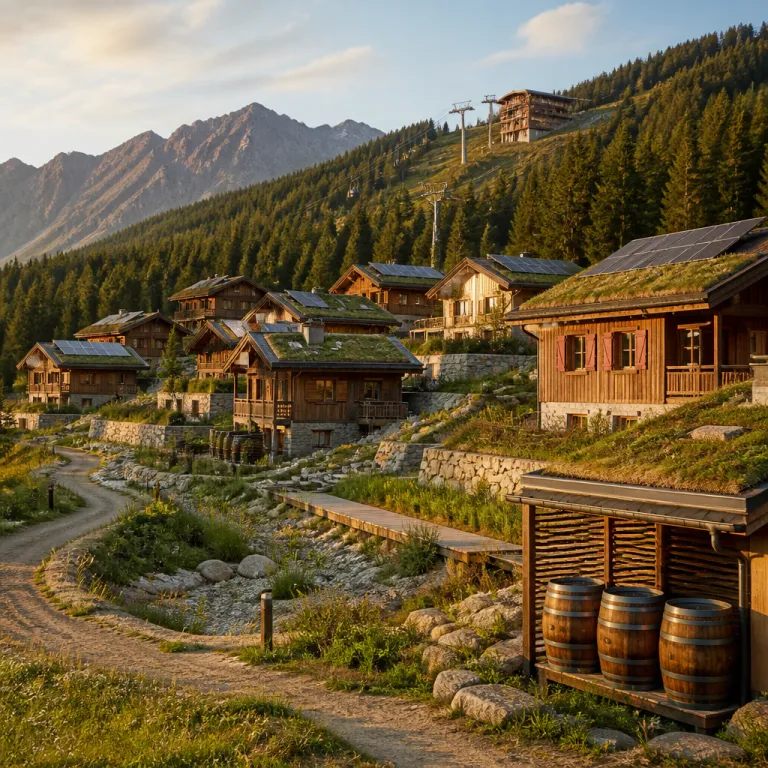
The tourism category winner OLM Nature Escape in South Tyrol shows how Alps Future Award mountain sustainability principles look on the ground. Marketed simply as OLM Nature Escape, the property integrates its olm nature concept into every layer of operations, from low impact architecture to water and energy systems designed for long term resilience. For chalet travelers, this is where sustainable luxury stops being an abstract goal and becomes a lived experience that quietly shapes daily life during a stay.
OLM Nature Escape impressed the jury by linking climate action with regional economy, sourcing food and services from local communities while investing in renewable energy that reduces both emissions and operating risk. This approach to development alpine wide goes beyond offset certificates and instead treats sustainability as core management strategy, with clear goals for reducing biodiversity loss and adapting to climate change. When you compare this to properties still relying on diesel heating or unmanaged snowmaking water use, the difference in future readiness is stark.
For guests booking through a luxury chalet platform, the Alps Future Award mountain sustainability label becomes a shortcut to projects where climate, economy and tourism are aligned rather than in conflict. Our own coverage of how green credentials now drive booking decisions shows that high spending travelers will pay a premium when sustainability claims are backed by independent evaluation. In practice, that means asking how a chalet handles energy, what climate goals it has set, and whether its development plans promote sustainable alpine tourism rather than simply expanding capacity.
How to use Alps Future Award criteria when choosing a luxury chalet
For business leisure travelers extending a trip into a nature escape, the Alps Future Award mountain sustainability framework offers a checklist that goes far beyond a green leaf icon on a booking page. Start by asking how a chalet’s design and operations respond to climate change in its specific alpine region, whether that is the Ahrntal Valley, South Tyrol or a high altitude resort elsewhere in the alps. Properties aligned with the alps future vision will be transparent about water use, energy sourcing and long term risk management rather than hiding behind vague sustainability language.
Next, look at how the chalet integrates with local communities and the wider alpine tourism economy, because genuine sustainable development depends on social as much as environmental resilience. Award caliber projects tend to promote sustainable mobility through public transport links, invest in staff training and support regional suppliers, which in turn reduces biodiversity loss by easing pressure on fragile mountain ecosystems. Our guide on how to read a chalet’s green credentials explains how to interpret these signals and spot whether climate action is embedded in daily management or limited to seasonal campaigns.
Finally, match the Alps Future Award mountain sustainability criteria with your own travel goals, especially if you are choosing between several high end chalets in destinations such as Gstaad or the Ahrntal Valley. A property like those featured in our review of refined alpine stays in Gstaad that invests in efficient energy systems, careful water management and transparent reporting will age better than one chasing only short term returns. In a market where years ago sustainability was a marketing afterthought, the alps future framework now gives you a clear, award tested way to align your booking with the kind of mountain life and development alpine resorts need to remain viable for the long term.
Sources
Snowsportsnews.com ; Greenpearls.com ; OTS.at.