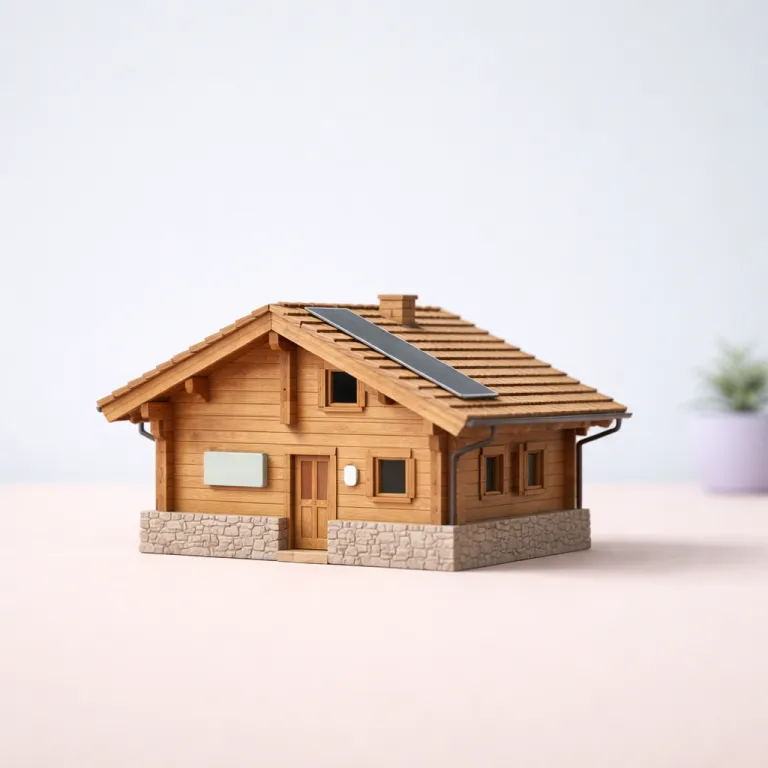
From timber lodges to quietly intelligent smart chalets
The most compelling smart chalet technology now hides behind timber, stone, and snow. In the best luxury properties, climate zones, automated blinds, and voice controlled systems work in the background while you focus on ski days and slow evenings. A well designed chalet lets you feel the crackle of the fire and the weight of the duvet, not the interface of the app.
Across leading alpine ski destinations, owners and operators treat technology as an invisible layer over traditional chalet architecture. Smart thermostats trim energy consumption in heavy snowfall while preserving that warm inviting glow in the living room and bedrooms. Automated systems manage underfloor heating, humidity, and ventilation so living spaces stay dry, comfortable, and healthy even when wet ski gear and natural materials share the same open floor plan.
Research from the Vacation Rental Management Association (VRMA) and AirDNA shows that connected properties now outperform conventional chalets on guest satisfaction and occupancy. A 2023 AirDNA analysis of North American and European mountain markets found that listings with key smart features achieved around 8–10% higher average occupancy and guest ratings roughly 0.2–0.3 stars higher than comparable non connected homes, figures that align with VRMA’s 2022 short term rental performance brief. For business leisure travelers, the ability to arrive late, unlock the chalet with a smart lock, and find the sauna pre heated has become part of the baseline luxury experience rather than an optional extra.
Smart chalet technology developers, mountain chalet owners, and demanding holidaymakers now form a tight ecosystem. Developers supply IoT devices and centralized control systems, while owners integrate them into properties built with wood, stone, and other natural materials that define alpine character. Holidaymakers bring feedback from real ski resort stays, pushing for technology that enhances outdoor activities, outdoor living, and indoor comfort without disturbing the inviting atmosphere that makes an experience chalet memorable.
Pre arrival intelligence: when the chalet is ready before you land
For frequent flyers who turn a board meeting into a long ski weekend, the most valuable smart chalet technology often activates before takeoff. On serious luxury booking platforms, pre arrival questionnaires now feed directly into property systems so lighting scenes, climate settings, and even grocery deliveries align with your schedule. You land, transfer up to the alpine village, and step into a chalet already tuned to your preferred living temperature and ambience.
In well managed chalets designed for extended stays, operators use mobile applications and centralized systems to choreograph everything from ski equipment rental to fridge stocking. Smart locks enable remote check in, while energy management systems warm only the areas you will actually use, reducing unnecessary energy consumption in unused living spaces. This approach respects sustainability goals without compromising the warm inviting feel of the main lounge, where exposed wooden beams and stone fireplaces frame the view of the ski resort.
Outdoor spaces benefit too, especially in lakeside and dual season properties where outdoor living matters as much as powder days. A connected terrace in Lake Tahoe or a similar destination can pre heat the hot tub, light safe paths through snow, and prepare outdoor areas for late night drinks after a day of outdoor activities. If you are considering refined mountain and lakeside escapes, a curated collection such as the Lake Tahoe chalet rentals for refined mountain and lakeside escapes shows how smart systems can support both ski and summer seasons.
Behind the scenes, property managers coordinate with technology companies and hospitality partners to keep these systems reliable. Smart thermostats, automated blinds, and voice assistants are only as good as the network that connects them, so verifying internet connectivity before booking remains essential for any guest who expects seamless control. When done well, the result is a chalet where natural materials, thoughtful chalet design, and discreet technology combine to make arrival feel less like check in and more like coming home.
Inside the wired chalet: climate zones, light, and the invisible interface
Step into a top tier smart chalet and the first impression should still be wood, stone, and view. The most sophisticated smart chalet technology keeps screens to a minimum, relying instead on subtle wall panels, voice prompts, and pre programmed scenes that match the rhythm of mountain living. Morning light, après ski warmth, and late night calm each have their own choreography of blinds, lamps, and temperature.
Multi zone climate systems are now standard in serious alpine properties, especially in chalets designed for multi generational groups or business leisure teams. One floor plan might keep the open floor living area at a convivial temperature while bedrooms stay cooler for sleep and ski rooms remain just warm enough to dry gear without damaging natural materials. Underfloor heating, smart radiators, and ventilation systems work together to manage energy consumption intelligently, which matters in remote areas where power can be both expensive and fragile.
Lighting design has evolved beyond simple dimmers to become a core part of chalet architecture. Discreet LEDs highlight wooden beams and exposed wooden structures, while exterior fixtures shape outdoor spaces into usable outdoor living rooms even in heavy snowfall. In some ski destinations, smart sensors adjust brightness to reflect snow glare during the day and create an inviting atmosphere at dusk, so the transition from outdoor activities to indoor relaxation feels effortless.
Entertainment and work needs are also woven into these living spaces, especially for executives extending business trips. Robust Wi Fi, hidden speakers, and flexible work nooks allow a video call in the morning and a film night by the fire without visual clutter. Collections such as the elegant chalet stays near Whistler golf courses illustrate how smart systems can support both ski resort winters and golf focused summers, proving that technology can adapt to changing seasons without overwhelming the character of the chalet.
Security, privacy, and the true cost of connected comfort
As chalets become more connected, the quiet question many guests ask is simple: who controls the data. Smart chalet technology depends on networks of sensors, locks, and cameras, yet the most trustworthy properties make that infrastructure almost invisible to the guest. Clear policies, minimal indoor cameras, and guest controlled privacy settings now define best practice in serious luxury operations.
For high end properties, smart locks and remote check in reduce friction without sacrificing security, especially in isolated alpine areas where staff may not be on site around the clock. Network segmentation, encrypted connections, and regular software updates are no longer optional extras but core parts of chalet design, just as sloping roofs and robust stone foundations are essential in regions with heavy snowfall. Guests should feel comfortable asking operators how systems are maintained, how long data is stored, and whether any monitoring occurs inside private living spaces.
The financial side of this technology is more complex than a simple line item in the budget. Installation costs for integrated systems, from climate control to lighting and audio, can be significant, and maintenance or upgrade cycles add ongoing expenses that influence nightly prices. As a rough guide, a mid sized chalet that installs a Loxone or Control4 style control system, smart thermostats, and connected locks might invest $25,000–$40,000 upfront, with annual servicing and software updates adding a few thousand dollars per year according to typical integrator estimates in North American and European resort markets.
From a sustainability perspective, the long term ROI often comes from reduced energy consumption and fewer emergency callouts rather than headline grabbing gadgets. Smart meters, leak detectors, and predictive maintenance tools protect both natural materials and structural elements such as wooden beams, exposed wooden trusses, and stone walls. When evaluating a chalet, it is worth asking not only about visible amenities but also about the invisible systems that keep outdoor spaces safe, indoor air healthy, and the overall experience chalet level rather than merely adequate.
Choosing your level of tech: from fully connected to deliberately offline
Not every traveler wants a voice assistant listening while they pour a nightcap, and the smartest operators respect that. Across the luxury chalet landscape, a quiet counter trend has emerged: properties that use smart chalet technology behind the scenes while presenting a deliberately low tech face to the guest. You still benefit from optimized heating, efficient energy consumption, and discreet security, but the interface is a log fire, not a tablet.
Some chalets offer tiered experiences, allowing guests to choose between fully connected stays and more analog living. In a high tech mode, you might control lighting, blinds, and music from your phone, schedule the sauna after a long ski day, and adjust climate zones in different living spaces with a few taps. In a calmer mode, the same systems run on pre set programs while you interact mainly with physical switches, traditional keys, and the natural materials that define classic chalet architecture.
For travelers who care deeply about sustainability and design integrity, this balance matters as much as headline features. Collections focused on eco conscious luxury, such as the curated guide to luxury eco chalets for rent, highlight properties where natural materials, thoughtful chalet design, and restrained technology coexist. Here, floor plans prioritize open floor living, generous outdoor spaces, and views over the ski resort, while systems quietly manage heating, ventilation, and lighting to protect both comfort and the surrounding alpine environment.
When browsing chalets on a premium booking website, look beyond headline prices and amenity lists. Study how the property uses wood, stone, and glass, how sloping roofs handle heavy snowfall, and how outdoor areas support real outdoor activities rather than just photo opportunities. The most rewarding smart chalets are those where technology, materials, and landscape work together to create a warm inviting, genuinely personal atmosphere that feels tailored to you rather than to an algorithm.
FAQ
What smart features are common in modern mountain chalets ?
Common smart features in contemporary chalets include smart thermostats, automated lighting, and voice controlled assistants that manage heating, blinds, and entertainment. Many properties also use smart locks for remote check in and connected sensors to monitor energy consumption and security. In higher end chalets, these systems are integrated into the overall chalet architecture so they support, rather than dominate, the living spaces.
How do smart chalets enhance the holiday experience for guests ?
Smart chalets enhance the holiday experience by offering personalized comfort, improved energy efficiency, and convenient control over key amenities. Guests can arrive to a pre warmed chalet, adjust climate zones for different areas, and manage lighting or music scenes that suit après ski gatherings or quiet evenings. This level of control allows the guest to focus on ski days, outdoor activities, and relaxed living while technology handles the background details.
Are smart chalets more expensive to rent than traditional properties ?
Rental prices for smart chalets vary by destination, size, and overall level of luxury, so there is no single rule. Some owners charge a premium for advanced systems, especially when they include features such as automated wellness areas, high end audio, or sophisticated security. In many cases, however, smart chalet technology is now considered standard in top tier properties, and prices reflect the total experience rather than individual gadgets.
What should I check before booking a smart chalet for a ski trip ?
Before booking, verify which systems are installed, how they are controlled, and whether clear instructions are provided in the chalet. It is wise to confirm internet connectivity, especially in remote alpine areas where network quality can vary and smart features depend on stable connections. You may also want to ask about privacy policies, camera locations, and how the property manages data from connected devices.
Can smart chalet technology support sustainability without reducing comfort ?
Well designed smart chalet technology can significantly reduce energy consumption while maintaining or even improving comfort. Systems that optimize heating schedules, manage unused rooms, and monitor insulation performance help protect both natural resources and the chalet’s wood and stone structure. For guests, this usually translates into more stable temperatures, better air quality, and the reassurance that their stay aligns with modern sustainability expectations.