Why provenance now defines the true handcrafted alpine chalet
Luxury travelers are quietly rethinking what makes an alpine stay feel rare. A genuinely handcrafted alpine chalet now signals provenance through local stone, seasoned timber and a clear description of who built every wooden beam and how long it took in months of patient work. When you compare chalets, the properties that explain this construction story in full detail tend to be the ones guests remember and endorse later.
Across the alpine regions of France, Switzerland, Italy and Austria, the most coveted chalet projects use stone quarried within roughly 50 kilometres and larch or spruce felled on the same mountain slope. In Switzerland, for example, the Federal Inventory of Swiss Heritage Sites (ISOS) sets conservation objectives that encourage the use of local stone and wood to preserve village character, while France’s Bâtiments de France architects apply similar principles in protected hamlets. This approach turns each item of the structure into a curated piece of regional heritage, from the vintage roof slates to the carved balcony posts that frame a cozy alpine view through every window. The result is a set of spaces where the building itself becomes part of the experience rather than a neutral container for a star chef or a spa.
For couples browsing a luxury booking website, this shift changes how you read every price and property description. Instead of skipping straight to the living room photos, pause before you mentally hit skip content and look for language about local artisans, handcrafting techniques and the average chalet size, which often sits around 180–220 square meters for serious projects according to figures shared by Swiss chalet architect firms such as Kittel & Partner in Valais. When a host explains that construction took several months to over a year and that the alpine craftsmen still work with traditional woodworking tools, that transparency is a strong marker of authenticity.
The alpine craftsmen behind every hand built wall and beam
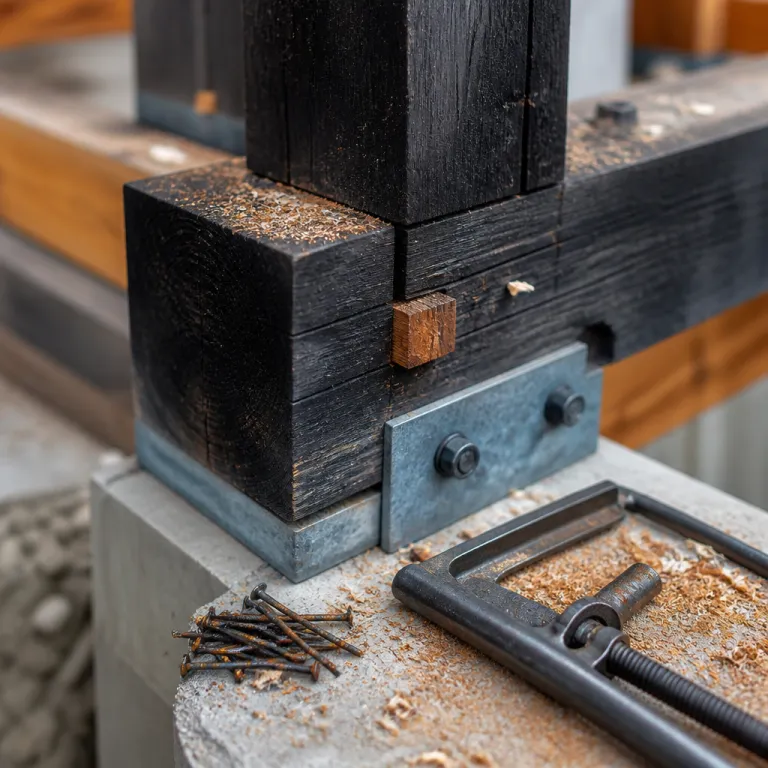
Behind each handcrafted alpine chalet stands a small network of alpine craftsmen, architects and engineers who treat the building as a long term cultural project. These builders move slowly by design, because “What materials are used in traditional chalet construction? Primarily wood and stone.” and those materials demand time, not shortcuts. In the Swiss canton of Graubünden, for instance, the Holzbau Schweiz carpentry association notes that a full apprenticeship in timber construction typically lasts four years, followed by several years of on site practice before a carpenter leads a project. When you read a chalet description that mentions apprenticeships, local guilds or family building dynasties, you are seeing the human network that keeps this craft alive.
Training pipelines in the Alps still rely on apprentices spending years on site, learning how a wooden joint behaves through winter freeze and spring thaw. Austrian Zimmerer (carpenters) usually complete a three year apprenticeship plus a master craftsman qualification, and Italian maestri carpentieri in regions like South Tyrol follow similar multi year paths. A master carpenter might supervise only one or two chalets at a time, which explains why a serious alpine chalet can take many months before it is ready for guests. As Swiss craftsman Markus Imboden, quoted in a 2021 Graubünden heritage report on traditional timber construction, puts it, “You cannot rush wood that has to live through a hundred winters.” That slow pace is not a flaw in the experience but a guarantee that every item from staircase to window frame has been tested by someone whose family has worked this mountain for generations.
For travelers, the most telling details often sit between the lines of a booking page. Look for mentions of Engadin sgraffito plasterwork, Savoyard mazot inspired outbuildings or Tyrolean woodcarving in the living room, because these clues show that the project is more than a fast, prefabricated build. Named examples such as the Engadin style farmhouses of Guarda, the restored mazots around Megève or the carved balconies of Alpbach in Tyrol illustrate how regional craft traditions shape real properties. One often cited case is a 210 square meter chalet above Megève completed in 2019, where a local firm reused barn beams from the same valley and documented each craftsman’s contribution in the guest handbook. When a property listing links its invisible service culture to traditional craftsmanship, as explored in guides to the new mountain retreat ethos, you can be confident that what you see is not just curated décor but a deeply handcrafted alpine chalet reality.
Stone, timber and the quiet luxury of local materials
Local stone and aged timber command a premium in any alpine chalet for reasons that go far beyond aesthetics. Stone sourced from the same mountain face as the foundations settles more naturally, while reclaimed wooden beams from historic barns bring a vintage patina that no chemical treatment can fake. In the French Alps, for example, reclaimed larch from dismantled farm buildings around Chamonix is frequently reused in high end chalets, and Austrian conservation guidelines for Tyrolean farmhouses actively encourage the recycling of old beams. When a host explains that each item of timber has been air dried for months rather than kiln rushed, you understand why the price reflects more than surface style.
In practice, this means the walls of a handcrafted alpine chalet often feel thicker, quieter and more thermally stable than those of a fast built structure relying on imported marble or composite panels. Couples notice it first in the living room, where a cozy alpine fire burns cleanly against stone that still carries the mineral tones of the surrounding mountain. The same attention to provenance often extends to lakeside or forest edge retreats, where guides to lakefront serenity show how local materials soften the transition between water, rock and glass. Image captions and alt text on serious booking platforms increasingly highlight these details with phrases such as “locally quarried granite fireplace in Zermatt living room” or “reclaimed larch façade in Kitzbühel chalet”.
From a booking perspective, you should read the materials section of any chalet description as carefully as the list of amenities. If the full details specify local quarry names, species of wood and the number of months spent restoring each wooden façade, that transparency is a reliable sign of serious craftsmanship. When a property glosses over these points and focuses only on star ratings or fast Wi Fi, you may be looking at a generic alpine set rather than a truly handcrafted alpine chalet. For visually driven travelers, well written image captions and descriptive alt text can act as a quiet internal guide, pointing you toward listings where stone, timber and provenance genuinely shape the stay.
How guests feel the difference inside a truly handcrafted alpine chalet
The first hint that you have entered a genuinely handcrafted alpine chalet often arrives before you reach the living room. Doors close with a solid, quiet weight, and each window frame feels warm to the touch even when the mountain air outside bites. That sensory experience is the product of countless small decisions by alpine craftsmen who still prefer hand finished plaster and carefully jointed wooden frames.
Once you settle in, provenance reveals itself through how the spaces behave over hours and months, not just in photos. Hand finished plaster reflects candlelight differently from machine sprayed walls, and you can often see the faint rhythm of the trowel when the afternoon sun opens a window of light across the room. Floors in a curated, cozy alpine interior will creak in a soft, predictable way rather than rattling like a fast assembled item of furniture. In guest reviews of renowned chalets in Verbier, Lech or Courmayeur, travelers frequently mention the “quiet at night”, the “solid feel of the staircase” and the “warmth of the wood” as reasons they would enthusiastically return to the property.
Even the way you interact with the booking interface can echo this attention to detail. On a well designed luxury chalet platform, the option to add a chalet to your cart should lead to full details about materials, artisans and construction timelines rather than a shallow price grid that encourages you to skip content. Internal editorial guides on these platforms often explain how to read floor plans, heritage notes and material descriptions so that couples can compare a 200 square meter chalet in Zermatt with a similarly sized retreat in the Dolomites. When a property is praised by previous guests, their reviews usually mention how the handcrafted structure shaped their experience, from the way the wooden staircase felt under bare feet to the quiet of the bedroom set deep in the stone core of the building.
Heritage codes, modern comforts and what to look for when you book
Staying in a handcrafted alpine chalet also means stepping into a web of heritage building codes that can both protect and complicate your stay. Many historic villages restrict façade changes, roof pitches and even window proportions, which forces alpine craftsmen to work within tight parameters while still delivering modern comforts. In Switzerland, for example, the Federal Inventory of Swiss Heritage Sites (ISOS) sets conservation objectives for traditional settlements, while in Austria the Tyrolean Building Code regulates roof forms and materials in historic zones. The best projects treat these rules as a design brief rather than a constraint, using them to frame mountain views and create a cozy alpine atmosphere that feels timeless instead of themed.
For travelers, this tension shows up in the details of heating systems, glazing and circulation. A carefully curated chalet might hide advanced insulation behind vintage timber cladding, or integrate discreet spa facilities into a traditional mazot style outbuilding so that the main living room remains architecturally honest. In Megève and Kitzbühel, for instance, several award winning chalets tuck pools and wellness areas into old stone barns to respect village skylines. When you browse properties, pay attention to how the description balances heritage language with practical information about access, staircases and room sizes, especially if you plan to travel as a family or stay several months.
On serious booking platforms, the cart and checkout flow should respect this same transparency. Before you add a property to your cart, you should see clear information about the average chalet size, the number of levels and any heritage related quirks that might affect your experience, such as low beams or narrow stairs. Some travelers will choose a slightly idiosyncratic, deeply handcrafted alpine chalet over a smoother, more generic option, and curated editorial guides to exceptional chalets from mountains to oceanfront fields can help you decide which type of item truly suits your trip. Internal links between these guides, individual listings and FAQ sections make it easier to compare options without losing sight of the provenance and craftsmanship that matter most.
FAQ
How long does it take to build a luxury handcrafted alpine chalet by hand ?
Building a luxury handcrafted alpine chalet by hand typically takes several months to over a year, depending on size, complexity and weather. Projects around 200 square meters often sit at the shorter end of that range, while larger family chalets with extensive stonework can extend well beyond it. Swiss timber construction guidelines from Lignum note that drying and assembling solid wood structures alone can occupy many months in harsh climates. When a listing shares this timeline in its full details, it usually signals a serious commitment to craftsmanship.
What materials should I expect in a genuinely handcrafted alpine chalet ?
A genuinely handcrafted alpine chalet will rely primarily on local wood and stone, often larch, spruce or oak for the structure and regionally quarried stone for foundations and fireplaces. Reclaimed wooden beams and vintage roof slates are common in higher end projects, adding character and improving sustainability. Conservation charters in regions such as Valais, Tyrol and the Aosta Valley explicitly encourage the reuse of historic timber and stone to maintain village identity. If a property description focuses on imported marble or synthetic cladding instead, it is less likely to reflect traditional alpine craftsmanship.
How can I tell if a chalet is really hand built when booking online ?
Look for specific references to local artisans, traditional woodworking tools and regional craft traditions such as Engadin sgraffito or Tyrolean carving. Serious hosts will describe how long construction took in months, mention the average chalet size and explain which materials were sourced from the surrounding mountain. Some will even name the local carpentry firm or masonry workshop, echoing how heritage projects in places like Zermatt or Cortina d’Ampezzo credit their craftsmen in public reports. Generic language about luxury finishes without these details should prompt you to ask questions before you add the chalet to your cart.
Are handcrafted alpine chalets suitable for couples rather than large families ?
Many handcrafted alpine chalets are designed precisely for couples seeking a quiet, cozy alpine retreat rather than a large family gathering. These smaller properties often focus on one generous living room, a star quality bedroom suite and carefully curated views from each window. In destinations such as Verbier, St. Anton or Courchevel, you will find compact, high end chalets that mirror the craftsmanship of larger lodges but on a more intimate scale. When browsing, filter for one or two bedroom chalets and read the description closely to ensure the layout matches your preferred style of stay.
Why do handcrafted alpine chalets often cost more than modern prefabricated options ?
Handcrafted alpine chalets cost more because they require more time, more skilled labour and locally sourced materials that are not bought through mass shipping channels. Each item, from a carved balustrade to a stone fireplace, is produced or restored by alpine craftsmen rather than assembled from a prefabricated set. Studies on traditional building in mountain regions, such as reports by the Alpine Convention on sustainable construction in the Alps, highlight how local sourcing and manual techniques increase upfront costs while improving durability and cultural value. That investment shows up in the price, but it also delivers a quieter, more characterful experience that many guests strongly endorse after their stay.