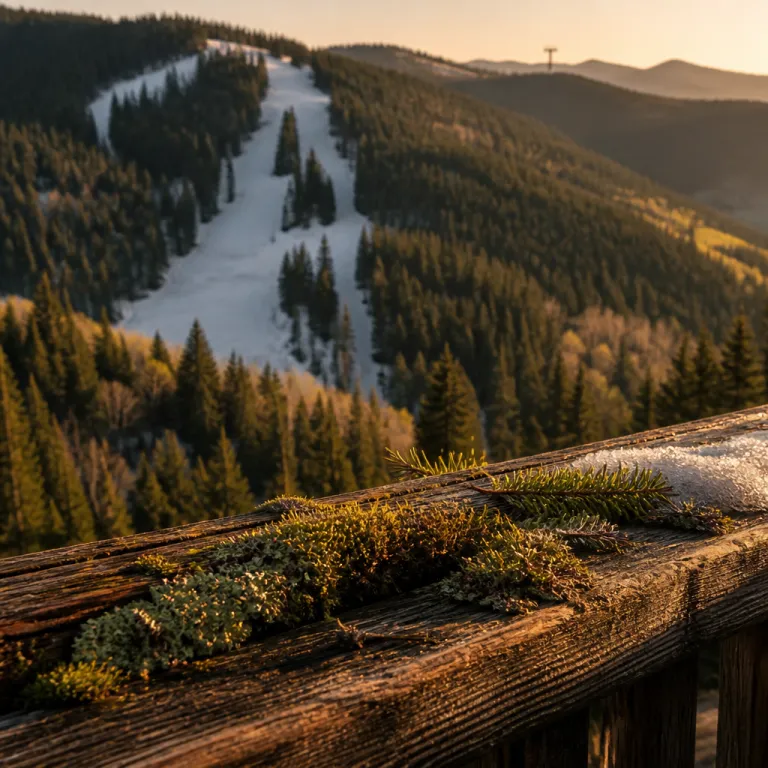
From discreet valley resort to expanded excellence mega project
Deer Valley in Park City has shifted from a discreet valley resort to a headline-making destination on a new scale, and the Deer Valley expansion 2026 narrative now shapes every serious luxury ski trip conversation. The operator, Deer Valley Resort, and owner Alterra Mountain Company have outlined plans to grow the skiable terrain to roughly 4,500 acres with 209 runs and 37 lifts once the project is fully built out, according to Alterra’s August 2023 expansion announcement and subsequent resort updates. This terrain expansion, which preserves Deer Valley’s long-standing ski-only policy, is being framed as a redefinition of what a North American ski resort can be. For travelers used to intimate chalets tucked above a compact village, that enlarged footprint raises a sharp question about whether a valley expanded to this size can still feel exclusive during peak season.
Key expansion figures (per Alterra / Deer Valley public filings and August 2023 announcement):
- Approx. 4,500 acres of total skiable terrain at full build-out
- 209 named ski runs served by 37 lifts across multiple mountain pods
- New snowmaking reservoir with a stated capacity of about 10 million gallons
- Planned pumping rate of up to 20,000 gallons per minute for early-season coverage
The project’s Expanded Excellence program is designed to roughly double the skiable terrain and add around 100 new ski runs, with 10 new chairlifts including the high-capacity Hail Peak Express and the future Keetley Express linking fresh mountain pods to the historic Snow Park base area. In resort planning documents and media briefings, Hail Peak Express is described as serving about 200 new acres, seven additional trails, a vertical rise of approximately 1,130 feet and an uphill capacity in the 2,400 skiers-per-hour range, which signals a very different experience on a busy powder day compared with the old Deer Valley trail map. For guests staying in private chalets or luxury lodges, that scale translates into more choice of terrain, easier access to quiet corners of the mountain and a wider range of Utah ski conditions within a single ski holiday.
Resort leadership presents the move as both bold and controlled, with the official line that “Is Deer Valley now the largest ski resort?” and “No, but it's among the largest in North America,” sitting alongside the reassurance that “Does Deer Valley allow snowboarding?” and “No, it remains a ski-only resort,” and finally the promise that “What new amenities are available?” and “New lifts, runs, and improved snowmaking.” Behind those statements sits a new snowmaking reservoir that Deer Valley and Alterra describe in planning submissions as having a capacity of roughly 10 million gallons and a pumping rate of up to 20,000 gallons per minute, quietly guaranteeing early-season coverage across the expanded terrain even when natural snow is late. As one Park City–based travel planner put it during a January site visit, “Our clients will pay for views and service, but they come back for snow reliability,” and that reliability underpins the value of a high-end ski trip booked months in advance to this Utah mountain area.
East village, valley east real estate and the new luxury cluster
At the base of the new valley east side, East Village is being developed as a pedestrian-oriented hub with 42 planned shops and 32 dining destinations, figures that appear in Deer Valley’s village master plan and Alterra’s investor materials. It is here that the Deer Valley expansion 2026 story collides most directly with global luxury hotel brands. The Grand Hyatt at the resort is already open, while a Canopy by Hilton is scheduled for late July and a Four Seasons with 134 rooms plus 123 branded residences is reported in developer sales updates to be more than 40 percent sold, with a Waldorf Astoria planned for later in the pipeline. These real-estate details should be cross-checked against current developer disclosures or municipal planning records, as timelines and sales percentages can shift between early marketing and final delivery. This cluster of names signals that the valley resort is no longer content to be a quiet Utah ski enclave but intends to compete with European-style destination villages where a single day can move from high-altitude ski runs to serious dining and après-ski without leaving the mountain.
For guests booking chalets or design-led lodges, the question is whether this expansion of brands, structured parking and village amenities around East Village will dilute the sense of retreat that defines a great mountain stay. In practice, the new village area can function as an urban-style amenity belt, while chalets and lodges sit slightly above the resort core with direct access to skiable terrain via new chairlifts including the Keetley Express and other lifts on the valley east flank. That separation allows you to ski down for a late lunch in East Village, wander past the ice rink and storefronts, then retreat to a quieter property where a private chef, a well-designed boot room and a hot tub terrace with views toward Park Peak still shape the evening ski experience.
The luxury cluster also changes how travelers should evaluate properties, because proximity to the new lifts, the updated trail map and the main valley expanded transport routes now matters as much as spa menus or suite size. When you assess chalets or hotels, look at how they plug into the terrain expansion and whether they offer seamless access to both the original Deer Valley slopes and the new mountain sectors around Park Peak. This is also the moment to scrutinize sustainability claims, and a practical way to do that is to use a real-world checklist such as the one in this field guide to spotting greenwashing in luxury chalets, then apply the same questions to large-scale resort projects, from snowmaking energy sources to construction practices in the East Village real estate zone.
What the largest terrain expansion means for chalet stays worldwide
The Deer Valley expansion 2026 benchmark is already influencing how other mountain destinations think about scale, access and the balance between chalets and hotels. North American luxury real estate brokers point to the valley expanded model, where branded residences sit beside independent chalets, as a template that could migrate from Utah to Colorado, British Columbia and even emerging markets that want a Park City–style mix of authenticity and infrastructure. For solo travelers or small groups booking a ski trip, that shift means more choice between fully serviced chalets, hotel-linked residences and stand-alone lodges that still offer direct access to skiable terrain and fast chairlifts.
Compared with long-established European villages, where growth is often constrained by heritage rules and limited terrain expansion options, the Deer Valley and Park Peak build-out shows what happens when a ski resort can still add significant skiable terrain. The result is a trail map that feels almost like a small ski country rather than a single mountain, with multiple valleys, distinct ski runs and varied aspects that change character through the season. That scale can support new styles of chalet product, from ultra-private homes above the East Village district to smaller lodges that echo the refined atmosphere of places such as these refined Smoky Mountain chalet escapes but translated into a Utah ski context with ski-in/ski-out access and concierge-level services.
For travelers planning a high-end ski trip, the practical takeaway is to read Deer Valley’s Expanded Excellence not just as a resort story but as a signal of where mountain hospitality is heading. Larger interconnected ski areas with sophisticated lift systems, including high-speed chairlifts and gondolas, will sit alongside more curated chalet experiences that focus on service, privacy and a sense of place even within a vast ski resort. When you next book, study how a property positions itself relative to the expanded terrain, ask for precise details on ski runs and lift access, and treat the Deer Valley model as a new reference point for what a modern luxury mountain area can offer across a full season, from early snowmaking-supported openings to late-spring corn-snow laps.