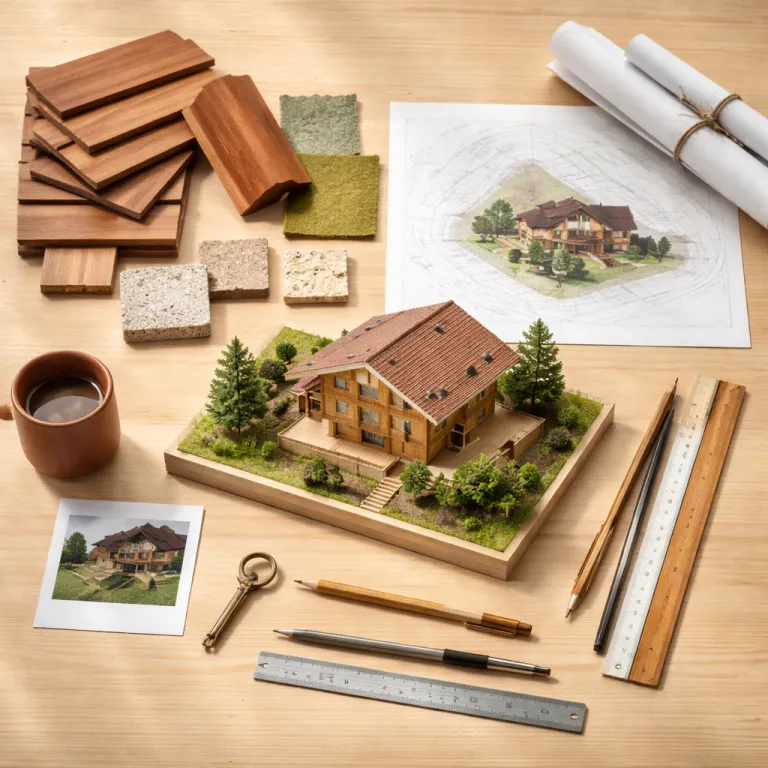
When the architect is the amenity
Some chalets are booked not for the ski area, but for the architecture itself. In the world of design chalet architecture, the building becomes the experience, turning every living space into a reason to travel. When you choose a chalet as carefully as a work of art, the mountains feel like an extension of your living room.
Architect designed chalets sit at the intersection of design, chalet culture, and serious alpine lifestyle, where every floor and façade is drawn to frame the mountain rather than just face it. These chalets designed for discerning residents use natural materials, precise architecture plans, and crafted interior design to create living spaces that feel both modern and rooted in history. The result is a living chalet where the architectural style, the choice of wood stone, and the way large windows catch the light all justify the journey before you even clip into skis.
Across the Alps, a new generation of architecture projects treats each chalet type as a bespoke building house rather than a standard product. You see it in the way a swiss chalet silhouette is reinterpreted with cleaner lines, in how chalet design now pairs traditional wood with steel and glass, and in how chalet architecture uses floor plans to choreograph movement from boot room to terrace. For couples planning a romantic escape, this level of design turns a simple chalet house into a private gallery of alpine living, where every cozy corner and every view has been deliberately composed.
The designers reshaping alpine chalet architecture
Behind the most compelling design chalet architecture, there is always a clear authorial voice. From early pioneers such as Henry Jacques Le Même, who developed the “chalet du skieur” concept in the 1930s around Megève, to contemporary studios, the best architects treat each chalet as a narrative about living in the mountains. Their work shows how architecture, materials, and landscape can be edited into a single, coherent story.
In Megève, the 650 square metre Le Sarto chalet is a textbook case of how history and modern design can coexist in one alpine house. Originally built in the middle of the last century, it has been carefully renovated by interior architecture studio Claves between 2019 and 2021, who used restoration, natural materials, and contemporary art to preserve its architectural history while upgrading every living space. The project, supported by partners such as Iconic House and local artisans, demonstrates how a chalet type with strong roots can be reimagined without losing its soul, keeping the steep roof, the wood stone base, and the cozy interior design while refining the floor plans for today’s residents.
Further afield, firms like edit! architects in the Czech Republic explore a more radical modern chalet style, using sharp geometry, large windows, and bold architectural style to frame the surrounding mountains. In Switzerland, the work of designers such as Joseph Dirand at Gstaad shows how a swiss chalet can be distilled into pure lines, tactile materials, and perfectly judged living rooms that feel both minimal and warm. For a deeper look at how a major brand collaborates with a star architect, read about the reimagining of a grand Gstaad property with Joseph Dirand at the helm, where every floor and façade is treated as part of a larger architecture project.
Tradition, materials, and the new alpine modern
Ask any architect what defines chalet architecture and the answer is remarkably consistent. “What defines chalet architecture? Use of wood, steep roofs, and harmony with nature.” That simple sentence still underpins the most ambitious design chalet architecture, even when the result looks strikingly modern from the piste.
Today’s chalets designed for high end rental keep the familiar pitched roof and deep eaves that shed snow and shade the living spaces in summer. They still rely on natural materials such as wood and stone, because “What materials are used in chalets? Primarily wood and stone for natural aesthetics.” Yet the way these materials are handled has changed, with architects now using wood stone combinations in cleaner planes, exposing structural beams, and pairing them with steel, concrete, and glass to create a more contemporary chalet style.
Inside, the shift is even more pronounced, as interior design moves away from heavy rustic motifs toward a quieter, more architectural language. Floor plans are opened up so the living room, dining area, and kitchen form a single living space, often oriented around a central fireplace and a wall of large windows facing the mountain. As one Megève based architect put it after a recent project, “We kept the soul of the old swiss chalet, but we carved out more light and flow so guests can move from breakfast to the slopes without ever feeling cramped.” This approach to chalet design respects the history of the swiss chalet while embracing modern expectations for light, flow, and flexible living, making each chalet house feel both cozy and expansive at the same time.
Biophilic thinking and the chalet as a living landscape
One of the most interesting shifts in design chalet architecture is the rise of biophilic thinking. Rather than treating the chalet as a sealed house in the snow, architects now design chalets as permeable living spaces that blur the line between interior and mountain. The goal is simple yet ambitious; to make residents feel that the mountains are part of their daily living, not just a backdrop for skiing hiking days.
In practice, this means architecture projects that prioritise orientation, views, and natural ventilation as much as insulation and heating. Large windows are carefully placed to frame specific peaks, forests, or valleys, while floor to ceiling glazing in the living room allows natural light to wash across the floor and up the walls of wood stone. Some chalets designed with a strong biophilic agenda incorporate living walls, indoor trees, or double height living spaces that echo the vertical drama of the surrounding mountains, turning the interior design into a continuation of the alpine landscape.
Natural materials play a crucial role here, because they age with dignity and keep the chalet architecture grounded in its setting. Timber ceilings, stone floors, and limewashed walls create a tactile living chalet environment that feels calm after a day of skiing hiking, while subtle details such as built in benches under windows or low framed openings to terraces encourage residents to sit, pause, and look out. For couples, these gestures transform a simple chalet type into a deeply romantic retreat, where the architecture itself invites slower mornings, longer evenings, and a more attentive way of living in the mountains.
Why architect designed chalets command a premium
On the luxury rental market, design chalet architecture is not just an aesthetic choice. Properties with strong architectural style, thoughtful floor plans, and carefully curated materials consistently achieve higher nightly rates than standard chalets of similar size. In some mature resorts, owners and agencies report premiums of 15–25% for architect led projects that have been published or awarded. For travellers, that premium is often justified by the way these chalets designed by serious architects change the rhythm of a stay.
From a practical perspective, a well planned building house simply works better for alpine living, with logical circulation from entrance to boot room, then up to the main living room and finally out to terraces or spa areas. Smart floor plans keep noisy zones away from bedrooms, align large windows with the best mountain views, and create intimate corners within larger living spaces so couples can find privacy even in a big chalet house. When you add integrated smart home systems, sustainable heating, and discreet service areas, the result is a living chalet that feels effortless to inhabit, whether you are here for skiing hiking or a quiet summer week.
There is also an emotional premium that is harder to quantify but easy to feel once you arrive. A chalet type with coherent chalet design, from the first glimpse of the façade to the last detail of the interior design, leaves a stronger memory and often a stronger desire to return. Thoughtful touches, such as a florist curated arrangement that echoes the surrounding alpine flora, can deepen this sense of place; for more on that, see how a dedicated chalet florist elevates a luxury mountain stay by aligning nature, architecture, and daily living. When architecture, natural materials, and service all work together, the chalet becomes more than accommodation; it becomes the reason you chose this mountain in the first place.
FAQ
What defines traditional chalet architecture in the Alps ?
Traditional chalet architecture is defined by steep roofs, deep eaves, and extensive use of wood and stone that sit in harmony with the surrounding mountain landscape. These buildings were originally designed to cope with heavy snowfall and to provide cozy, efficient living spaces for residents and livestock. The classic swiss chalet remains the reference point, with its timber structure, carved balconies, and strong connection to nature.
How are modern chalets different from older alpine houses ?
Modern chalets retain the essential form of the alpine house but reinterpret it with cleaner lines, larger windows, and more open floor plans. They integrate contemporary amenities such as smart home systems, spa areas, and high performance insulation while still relying on natural materials like wood stone combinations. As one expert summary puts it, “How are modern chalets different? They blend traditional design with contemporary features.”
Why do many chalets still use steep roofs and heavy timber ?
Steep roofs remain essential in chalet design because they shed snow quickly and reduce structural stress during long winters. Heavy timber and stone are still favoured materials because they provide excellent thermal mass, durability, and a natural aesthetic that suits the mountains. This combination ensures that the chalet architecture feels both practical for alpine weather and visually rooted in its environment.
What should couples look for when booking an architect designed chalet ?
Couples should pay attention to the quality of the floor plans, the orientation of large windows, and the coherence between exterior architecture and interior design. A well considered living space will offer both generous shared living rooms and smaller, intimate corners, along with direct visual connections to the mountains. Checking whether the chalet uses sustainable natural materials and has been designed by a recognised architect or studio can also be a useful indicator of long term comfort and value.
Is there a functional reason behind the focus on natural materials ?
Natural materials such as wood and stone are not only visually appealing but also perform well in alpine climates, regulating humidity and retaining heat. They age gracefully, which is important for chalets designed as long term investments and high end rentals, and they support biophilic design principles by keeping residents in close contact with textures drawn from the surrounding mountains. For travellers, this translates into a more comfortable, grounded living experience that feels specific to the place rather than generic.