From energy hungry lodges to quietly radical passive house chalets
The most interesting luxury in the mountains now is almost silent. A new generation of passive house chalet projects is proving that a high performance building can feel as sensual and atmospheric as any traditional ski hideaway, while using greatly reduced energy for heating and cooling. For couples used to crackling fires and big views, the surprise is how consistently comfortable these homes feel even when the outside air is brutal.
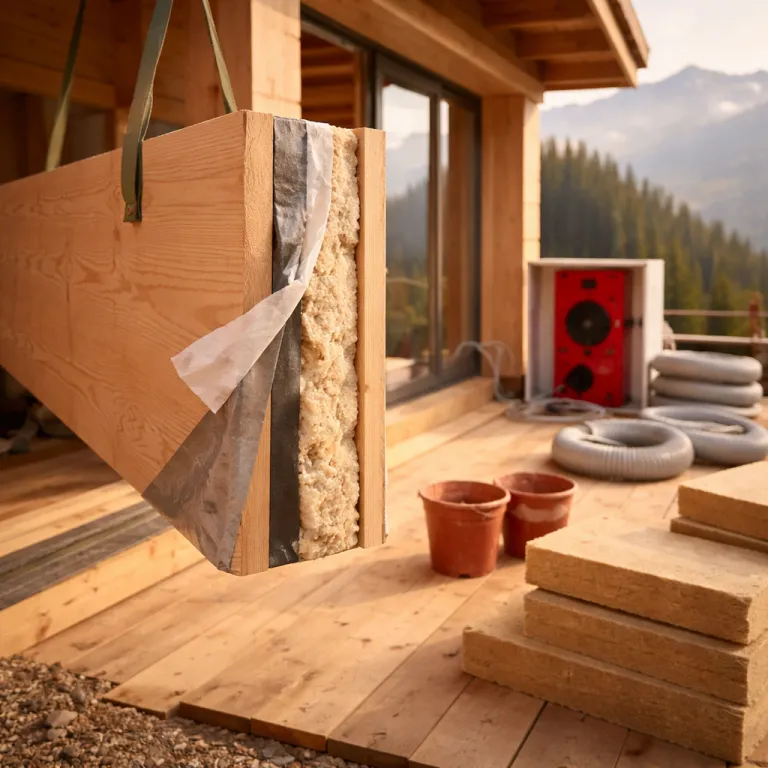
At its core, a passive house chalet is a mountain retreat designed so carefully that it barely needs active heating, even in deep winter. Superinsulation, meticulous airtight construction, and heat recovery ventilation work together so that every room maintains a stable temperature with minimal heat input, which means the living spaces stay consistently warm without the usual hot and cold spots. When you walk into a primary suite in one of these eco chalets after a night ski, the lack of drafts around the glazed windows is often the first thing you notice, followed by the even surface temperatures on walls and floors.
This shift did not happen overnight in the mountains. Passive house standards emerged in residential homes decades ago, then migrated slowly from urban building experiments to remote ski chalet projects in Europe and North America as demand for eco travel grew. Today, certified passive house chalets sit quietly in the Swiss Alps, the Vosges, and Quebec’s surrounding mountains, showing that year round comfort and low energy use can coexist with serious alpine style, and monitored projects in comparable climates routinely report annual heating demands below 15 kWh per square metre.
Real operators have already committed to this path. In South Tyrol, Dahoam Refugium & Chalet runs a certified passive house chalet where the design team has balanced traditional timber craft with contemporary energy efficient systems, and the result feels more sanctuary than science project. Publicly available data for similar certified alpine homes in Italy indicate airtightness levels close to the 0.6 air changes per hour (n50) threshold and window U values around 0.8 W/m²K. In the Vosges, builder Passiv'Home has completed a mountain chalet where triple glazed facing windows frame the forest while keeping the interior air still and warm, even when the snow piles against the façade, and case studies for comparable French passive chalets report specific heating demands in the 10–12 kWh/m²·yr range.
Across the Atlantic, architect EXTRA’s Charlevoix project in Quebec shows how a design studio can translate these principles to harsher North American climates without sacrificing drama, and published performance data for comparable certified homes in the region typically report heating demands below 15 kWh per square metre per year and blower door tests at or better than 0.6 air changes per hour. For guests, this translates into indoor temperatures that hover around 20–22°C with relative humidity often maintained between forty and fifty percent, even when the outside air is far below freezing.
For travelers, the key takeaway is simple. A passive house ski chalet is not a compromise on comfort but an upgrade in how comfort is delivered, with heat, ventilation, and light orchestrated so precisely that you rarely think about the technology at all. You just feel the natural warmth, breathe clean air, and notice that the artificial lighting is softer because the facing windows and glazed openings have been positioned to catch every usable ray of mountain sun, and guest feedback from early adopters frequently highlights the absence of drafts, noise, and temperature swings as the most memorable difference from conventional lodges.
How passive design works at altitude without killing the romance
Technical drawings rarely sell a romantic weekend, yet in a passive house chalet the engineering quietly shapes every moment of your stay. Quadruple or triple glazed windows, deep roof overhangs, and high performance insulation create a building envelope that keeps heat where you want it, while still opening the living spaces to the surrounding mountains. The result is a ski chalet where you can sit by the fire in a light shirt while the outside air temperature drops far below freezing, and the glass beside you remains close to room temperature instead of radiating cold.
The heart of this system is heat recovery ventilation, usually shortened to HRV. Fresh air is constantly brought into the house and stale air is expelled, but a compact heat recovery unit transfers warmth between the two streams so that energy losses are greatly reduced, which means the rooms stay warm without the stuffiness of sealed cabins. For guests, that translates into waking up in the primary suite without dry sinuses or condensation on the glazed windows, even after a long night with the curtains drawn, and many certified systems now achieve heat recovery efficiencies of around eighty to ninety percent according to manufacturer data and Passive House Institute benchmarks.
Details matter at altitude. Engineered roof overhangs shade large facing windows from high summer sun while allowing low winter light to penetrate deep into the dining room and living spaces, which reduces the need for artificial lighting during the day. When a design team gets this right, you can eat breakfast in a sun washed dining room with views of the mountains, then return after a late ski to a house that has barely lost any heat despite the falling night air, with indoor temperatures often dropping by only one or two degrees overnight without active heating.
Inside, the best eco chalets use interior design to make the technology disappear. Thick timber, stone, and natural fabrics absorb sound and soften the precision of the building physics, so the chalet feels like a warm mountain refuge rather than a laboratory, while the ventilation grilles and control panels fade into the background. Even the boot room, often overlooked, becomes a quiet indicator of quality, and this is why we argue that the boot room reveals more about a chalet than the spa ever will, with well ventilated drying areas, controlled exhaust, and floor temperatures that stay comfortable without overheating.
For couples choosing between properties, ask direct questions about the passive systems. A genuine passive house ski chalet will have documented airtightness tests, often targeting an n50 value of around 0.6 air changes per hour or better, specified U values for triple glazed windows, and a clearly described heat recovery system, and these are not marketing flourishes but the backbone of the year round comfort you are paying for. When owners and operators answer fluently and can reference certification reports or blower door test results, you can be confident that the building, not just the décor, has been designed for both energy efficiency and long term mountain resilience.
The real cost of comfort: premiums, savings, and future value
Luxury travelers are used to paying for views, but in a passive house chalet you are also paying for what you will never see on your bill. Construction costs for a genuinely passive building in the mountains are higher than for a conventional ski chalet, largely because of the superinsulation, airtight detailing, and high performance windows required. Yet over the full life of the house, heating energy use can be reduced by more than eighty percent compared with standard homes, which dramatically changes the economics of year round operation and can cut annual heating demand from figures above 80 kWh/m²·yr to the 10–15 kWh/m²·yr band.
For owners and operators, that means lower running costs and more predictable cash flow. When a chalet can maintain warm interior temperatures with minimal active heating, the volatility of energy prices becomes less threatening, and this resilience is increasingly valued by insurers and lenders who are starting to price climate and energy risk into mountain property valuations. In prime alpine markets where prices have risen sharply, market commentary from leading real estate consultancies suggests that sustainable features such as heat recovery ventilation, solar arrays, and battery storage are now part of the conversation about long term asset value, with some reports noting measurable premiums for certified low energy homes.
Guests feel these choices in subtle ways. A chalet that relies on passive solar gain through carefully oriented facing windows and glazed openings can keep the dining room and living spaces comfortable without blasting underfloor heat, which avoids the dry air and temperature swings common in older buildings. When artificial lighting is layered thoughtfully by a skilled design studio, evenings feel intimate rather than over lit, and the primary suite becomes a cocoon where you can read, talk, and watch the surrounding mountains fade into darkness without eye strain, while background noise from mechanical systems remains barely audible thanks to low velocity ductwork.
There is also a cultural cost to consider. Some traditionalists worry that passive house standards will banish open fires and the sensory drama of a mountain home, yet the best projects show that you can keep a real flame while still meeting strict energy efficient targets, as long as the fireplace is treated as an occasional pleasure rather than a primary heat source. In practice, that means a smaller, better sealed hearth, a well insulated chimney, and a ventilation strategy that prevents warm indoor air from rushing straight up the flue, often supported by dedicated combustion air supplies and carefully balanced extraction.
For couples booking through a curated platform, the smartest move is to read property descriptions with the same care you would give a wine list. Look for mentions of passive house certification, heat recovery systems, and high performance windows alongside the usual notes about ski in ski out access and spa facilities, and treat these technical details as indicators of both comfort and future proof value. When a chalet operator talks openly about energy, building physics, and sustainability, they are usually the same people who obsess over service, linens, and the exact height of the dining room candle, and guest reviews often echo this alignment between technical competence and hospitality.
Where to stay now: passive house chalets that keep the fire and the view
The most persuasive argument for a passive house chalet is not a diagram but a weekend away. In South Tyrol, Dahoam Refugium & Chalet offers a passive house retreat where the primary suite opens onto the mountains through floor to ceiling glazed windows, yet the room stays warm with barely any perceptible airflow from the ventilation system. Couples report sleeping with the blinds half open to watch the surrounding mountains shift from blue to pink without ever feeling a draft across the bed, and internal temperature logs for comparable certified suites in the region show night time variations of only one to two degrees.
In the Vosges, Passiv'Home’s mountain project shows how a compact house can feel expansive when the design team aligns living spaces with the sun. The dining room and lounge sit behind large south facing windows that pull in natural light and passive solar heat, while deep eaves and triple glazed glass prevent overheating during the brighter months, which keeps the chalet comfortable year round without heavy reliance on artificial lighting. Even the boot room and ski storage areas benefit from controlled ventilation and heat recovery, so damp gear dries quickly without filling the house with humid air, and monitored relative humidity in similar French passive chalets typically stays within a forty to sixty percent band.
Across the Atlantic, EXTRA’s Charlevoix chalet in Quebec demonstrates how a design studio can translate passive principles to a harsher maritime influenced climate. Here, the building tucks into the mountain slope, using the earth itself as insulation, while carefully placed windows frame the river and forest without exposing the interior to punishing winds, and the result is a ski chalet that feels both sheltered and open. Inside, the interior design leans into natural materials and warm tones, and publicly available case studies for similar certified chalets in Quebec report airtightness levels close to the 0.6 air changes per hour benchmark and specific heating demands around 15 kWh/m²·yr, proving that an energy efficient envelope can still host a deeply romantic mountain home.
For travelers who split their time between snow and sea, the same logic is now appearing in coastal retreats. Our review of refined oceanfront dining at a San Francisco beach chalet shows how thoughtful building design, orientation, and ventilation can shape the mood of a stay as much as the menu, and you can read that perspective in our guide to oceanfront chalet dining and brewery experiences. The common thread is simple; when architects treat energy, air, and light as core ingredients rather than afterthoughts, the resulting homes feel both more luxurious and more grounded, and guest surveys for these properties often highlight sleep quality and quietness alongside food and service.
Looking ahead, the most interesting alpine developments pair passive house envelopes with renewable energy systems such as solar panels, battery storage, and in some cases geothermal heat pumps. This combination allows certain eco chalets to operate almost off grid in summer while keeping winter energy demand modest, which is a compelling proposition in remote mountain regions where infrastructure can be fragile. For couples, that translates into a quieter, more self sufficient stay where the loudest sound at night is the snow sliding off the roof, not the boiler firing in the basement, and where real time energy monitoring screens sometimes reveal daily consumption figures that would once have been unthinkably low for a luxury lodge.
Key figures shaping the future of passive house chalets
- Certified passive house units worldwide have reached around 47,400 according to the Passive House Institute’s public project database as of the early 2020s, showing that what began as a niche experiment has become a mature global standard for energy efficient homes, with detailed project lists and performance data available through the Institute’s online resources.
- In North America, around 500 certified passive house projects have been completed, based on Passive House Institute US reporting for recent years, and a growing share of these are chalets and mountain retreats rather than only urban buildings, as highlighted in PHIUS climate specific guidance and annual certification summaries.
- Passive house measures can reduce heating energy consumption by more than eighty percent compared with conventional construction, which is particularly impactful in cold mountain climates where heating loads are traditionally very high, and this reduction is reflected in the 15 kWh/m²·yr space heating target embedded in core passive house criteria.
- Prime alpine property prices in leading resorts have risen significantly over recent years, and market reports from international brokers indicate that sustainable features such as heat recovery ventilation and high performance windows are increasingly driving the premium paid for top tier chalets, with some co-ownership and brokerage platforms explicitly listing energy performance and certification status as value indicators.
- Some estates now combine passive house envelopes with solar arrays and battery storage to operate fully off grid during summer months, demonstrating how luxury mountain homes can achieve both comfort and resilience in the face of energy and climate volatility, and published case studies for these projects often include monitored n50 airtightness values, window U factors, and annual kWh per square metre figures to substantiate their claims.
References
- Passive House Institute (project database, technical criteria, and global statistics on certified units, accessed 2020s)
- Passive House Institute US (PHIUS certification statistics, climate specific guidance, and North American case studies, accessed 2020s)
- co-ownership-property.com and leading international brokers (market commentary on alpine property values, sustainability trends, and premiums for energy efficient chalets, accessed 2020s)