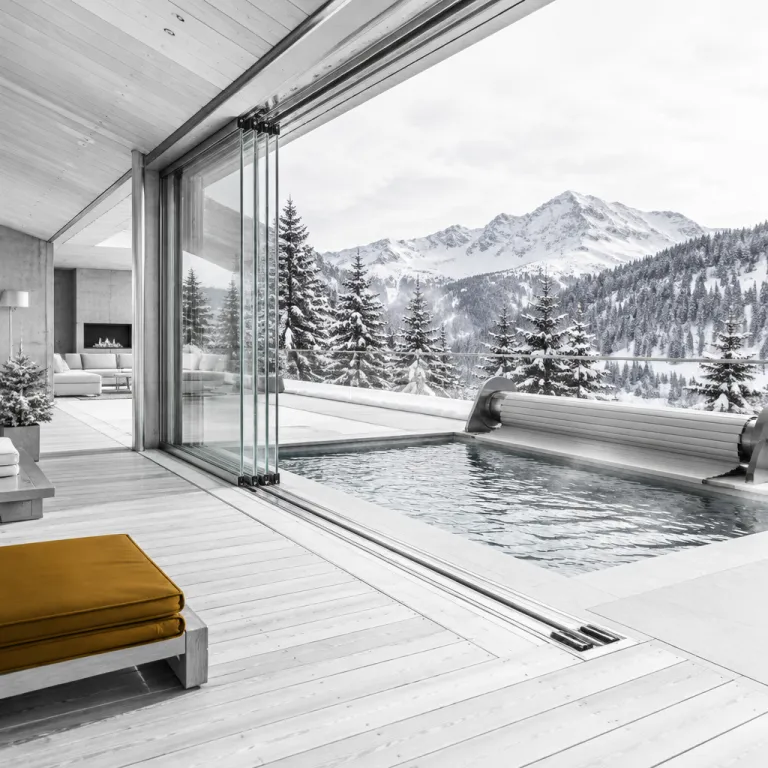
From winter address to year round alpine living
Once, a luxury chalet meant a short winter address and little else. Today, the most compelling year round mountain homes operate like private micro resorts, with infrastructure that works as hard in July as it does on a powder day. This shift has turned the traditional ski chalet into a modern alpine base for families who want four seasons of comfort, service, and genuine mountain living.
Alpine destinations from Megève to Val d’Isère now treat every season as a primary season, not just a pause between ski weeks. UK tour operator Red Savannah, for example, reported in 2023 that enquiries for cooler summer destinations were up by more than 40 percent year on year, and that demand is reshaping how every luxury ski resort invests, staffs, and prices its chalets. For guests, that means more choice, more space, and more ways to enjoy mountain views beyond the classic winter postcard.
Economically, a chalet that stays open year round can spread fixed costs over more nights, which often translates into better value for a family booking a long stay. Instead of chasing only the highest nightly rates during peak winter, owners can balance occupancy across all four seasons and offer attractive rental structures in spring and autumn. In practical terms, a family that might pay €18,000 for a smaller ski chalet in February could find a larger property with a hot tub and swimming pool in June for €10,000–€12,000, depending on resort and service level.
The new generation of luxury chalets is designed as a true mountain retreat rather than a simple ski base. Wide terraces, floor to ceiling glass, and flexible bedroom layouts make the same alpine residence feel as inviting on a bright August day as during a stormy January night. When you search for the best high end options now, you are really choosing between different interpretations of four season resort living, not just different slopes.
What makes a chalet genuinely four season ready
A genuine four seasons mountain chalet is not just a winter shell with the heating turned up in July. It is a property where every space, from the main living area to the smallest bedroom, has been planned for both ski days and long summer evenings. The best chalets feel like a resort in miniature, with facilities that adapt elegantly to changing seasons and different styles of family travel.
Start with climate control and materials, because they define comfort in every season. Thick stone, proper shading, and cross ventilation keep a luxury chalet cool on a hot mountain top afternoon, while underfloor heating and deep sofas still deliver that winter cocoon after a late ski. When you tour chalets in person or online, look for modern mountain design that balances glass and insulation, so mountain views remain spectacular without turning the living room into a greenhouse in August.
Next, examine the wellness and play infrastructure, which should work beyond the classic hot tub on a snowy deck. An indoor swimming pool becomes a rainy day saviour in autumn, while a well maintained park style garden turns into a summer playground for younger children. Properties that combine spa level calm with family friendly practicality show how a mountain retreat can feel indulgent without losing its sense of ease and informality.
Finally, consider how the chalet connects to its wider resort environment across the seasons. Easy access to hiking trails, bike routes, and the village park matters as much in June as ski in ski out access does in winter. A true year round alpine property will have storage for bikes as well as skis, flexible dining options for indoor and terrace meals, and staff who understand both summer and winter rhythms.
Megève, Val d’Isère and the new economics of staying open
In the French Alps, Megève and Val d’Isère illustrate how four season thinking has changed the luxury ski landscape. Megève, long known as a discreet winter resort, now promotes itself as a soft adventure base with golf, e biking, and riverside walking for every age. Val d’Isère, once almost purely a ski resort, has invested in lifts, trails, and a revitalised park network that make its mountain top terrain accessible long after the last winter chair stops spinning.
For chalet owners, this shift from seasonal peaks to year round operation changes the financial logic of every rental. Instead of relying on a handful of premium winter weeks, a multi season model allows them to welcome guests across spring, summer, and autumn, smoothing cash flow and justifying upgrades like larger swimming pool complexes or more generous bedroom suites. Industry analysts at France Montagnes note that resorts with strong summer offers tend to see higher annual occupancy, which in turn supports better maintenance and more consistent staffing.
For you as a guest, the result is a broader menu of luxury chalets at more varied price points. In Megève, a family might secure a top tier ski chalet with a private hot tub and cinema room in late June for less than a smaller mountain chalet would cost during February. In Val d’Isère, a modern mountain retreat with panoramic mountain views and flexible dining options can feel like a private resort style property, but with a wilder, higher alpine setting.
When you browse curated collections of refined luxury ski chalet stays in the French Alps, you are seeing the outcome of this economic recalibration. Properties that once closed their shutters after the last ski day now compete to be the best address for year round alpine living. The winners are the chalets that treat every month as an opportunity to host, not just the weeks when the pistes are full.
How summer and autumn guests reshape the chalet experience
Summer and autumn guests use a luxury chalet very differently from classic winter skiers. A family arriving in August often spends more time on the terrace, in the garden, or exploring the park network than in the cinema room. That changes how staff plan each day, how chefs design menus, and how concierges curate activities around the mountain retreat.
Where a winter guest might ask for first tracks and late night fondue, a year round traveller often wants guided hikes, lake swims, and flexible dining options that work with younger children’s bedtimes. Badrutt’s Palace in St. Moritz, for example, has extended its season with a redesigned Kids’ Club and nature programming; as Managing Director Richard Leuenberger has noted in interviews, families increasingly “want the mountains to be a playground in every month, not just at Christmas.” Chalet teams follow the same logic, shifting from ski instructors and boot fitters to mountain bike guides, foragers, and yoga teachers who know the alpine trails as well as the winter pistes.
This evolution benefits families who value space, calm, and attention to detail. Shoulder season stays often deliver more personalised service, because staff are not stretched across back to back ski changeovers and fully booked restaurants. In a thoughtfully run luxury chalet, your children might spend the afternoon in the swimming pool while you enjoy the hot tub, then everyone gathers in the main living room for a relaxed dinner that feels more like a private home than a busy resort.
For travellers comparing options, it helps to think of these chalets as modern mountain villas rather than only ski bases. The same mountain chalet that hosts a multi generation Christmas can become a quiet creative retreat in September, with long views to Mont Blanc and crisp air on the terrace. The chalet model itself now travels too, inspiring year round hideaways in very different landscapes while keeping the same focus on space, privacy, and tailored service.
Choosing the right four season chalet for a premium family stay
Selecting the right year round alpine base for your family starts with clarity about how you actually travel. If your children are young, proximity to a safe park, gentle walking paths, and an indoor swimming pool may matter more than black run access. Teenagers might prioritise a larger bedroom, strong Wi Fi, and easy access to both ski lifts and summer adventure hubs.
Look closely at floor plans and photographs to understand how the living spaces will feel across different seasons. An open plan living and dining area with large windows can frame mountain views beautifully, but you also want cosy corners for reading on a rainy autumn day. Check that terraces are properly furnished, because in a true four seasons resort chalet you will use that outdoor space as much in June as in January.
Next, interrogate the service model, because that is where the luxury really lives. Some high end chalets operate almost like private boutique hotels, with daily housekeeping, chef services, and concierge support that can arrange both ski lessons and summer rafting. Others lean towards self catered rental living, which can be perfect for independent families who enjoy planning their own day and exploring local dining options in Megève, Val d’Isère, or other French Alps villages.
Finally, ask direct questions about how the chalet performs outside winter. A confident operator will explain how they manage ventilation in hot weather, what activities they recommend on a no ski day, and how the hot tub and spa areas are maintained year round. When those answers feel precise and thoughtful, you are usually looking at one of the best luxury chalets for four seasons mountain living, not just a ski chalet that happens to be unlocked in summer.
FAQ
What defines a true four season luxury chalet in the mountains ?
A true four season luxury chalet is designed and serviced for comfort in every month, not only during winter ski weeks. That means proper insulation and ventilation, outdoor spaces that work in both snow and sunshine, and facilities such as a swimming pool or hot tub that are maintained year round. It also requires a service team and local partners who can support both ski activities and warm weather adventures.
Are summer and autumn stays in the French Alps better value than winter ?
Summer and autumn stays in the French Alps are often better value than peak winter weeks, because demand is more evenly spread and competition between chalets is stronger. Families can sometimes secure a larger mountain chalet with better mountain views and more amenities for the same budget as a smaller ski chalet in high season. Rates vary by resort, but shoulder season usually brings more space and more flexibility for the same spend.
How do four season chalets cater specifically to families with children ?
Four season chalets that focus on families usually offer flexible bedroom configurations, safe outdoor areas, and entertainment options for different ages. In winter, that might mean easy access to ski schools and warm boot rooms, while in summer it could include garden games, nearby park facilities, and child friendly dining options. Many luxury chalets also provide concierge support to arrange guides, babysitters, and age appropriate activities throughout the stay.
Is a four season chalet suitable if we only plan to ski ?
A four season chalet is still an excellent choice even if you only plan to ski, because the same design and service features that work in summer enhance winter comfort. Better insulation, more generous living spaces, and upgraded wellness areas make long winter evenings more enjoyable. You also gain the option to return in another season and experience the same mountain retreat in a completely different light.
How should I compare different luxury chalets in resorts like Megève and Val d’Isère ?
When comparing luxury chalets in resorts such as Megève and Val d’Isère, start with location, then look at layout, and finally examine service. Check how close each property is to ski lifts, village centres, and summer trailheads, then study floor plans to see how the living and bedroom spaces suit your family. Finally, compare what is included in the rental, from daily housekeeping to chef services, because those details often define the real value of a year round stay.