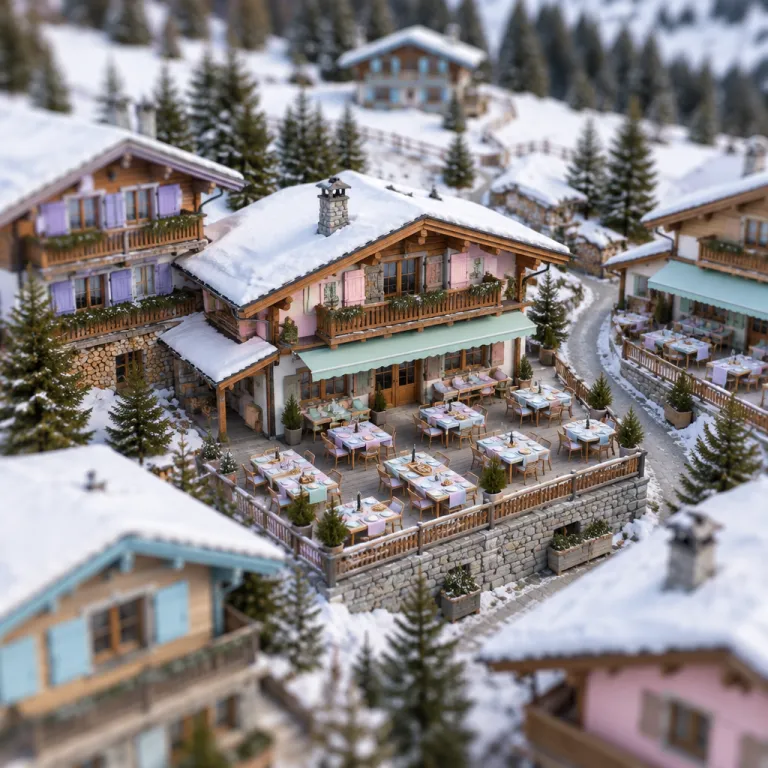
Why altitude changes everything for serious mountain restaurant diners
The best mountain restaurant luxury chalet dining Alps experiences begin with altitude itself. At 1 800 metres or higher, the air is thinner, the light is sharper, and the relationship between ski, mountain and appetite becomes almost architectural. This is where a restaurant, its menu and its terrace must work harder than many sea level fine dining rooms.
In the Alps, the top mountain restaurants lean into terroir rather than fight it. Swiss chalets near Zermatt, French lodges in Val d’Isère and Italian hideaways in the Dolomites all use local dairy, game and herbs to create dishes that taste inseparable from the slopes outside. When you are planning a ski holiday, the best strategy is to treat each mountain restaurant as a destination, then choose chalets and ski resorts that orbit those tables rather than the other way around.
Altitude dining also changes how you move through the day. A cable car ride to lunch at a mountain restaurant with wide sun terrace views of the Matterhorn feels different from a taxi to a city brasserie, and you will taste that difference in the food. The best mountain restaurant luxury chalet dining Alps itineraries build in time for slower service, stronger sunlight and the kind of post lunch skiing that starts gently rather than with a black run.
Altitude terroir versus sea level fine dining
Fine dining at sea level can chase global trends, but in the Alps the best restaurants are anchored by geography. Chefs talk about altitude the way winemakers talk about soil, because mountain water, grass fed milk and long winters shape every plate. When you compare a sea level tasting menu to a mountain restaurant menu, the contrast in dairy, cured meats and preserved vegetables is immediate.
FORESTIS in the Dolomites is a benchmark for this altitude first thinking. Executive Chef Roland Lamprecht has built a forest cuisine that uses ingredients from the surrounding woods, while the YERA fine dining restaurant is set in a mountain cave inspired by Celtic harvest traditions, and this is the kind of concept that simply would not make sense at sea level. For travellers chasing the best mountain restaurant luxury chalet dining Alps experiences, this focus on place is the clearest sign you are in the right dining room.
Look for menus that name nearby valleys, farms and cheesemakers. A restaurant that offers local venison with mountain herbs, or fresh pasta with alpine butter, is usually more rewarding than one that imports lobster for the sake of luxury. When a mountain restaurant lists the exact altitude of its terrace or the height above sea level of its cellar, it signals a chef who understands that the mountain is not just a backdrop but an ingredient.
Building a ski holiday around the table, not the lift pass
For a growing number of travellers, the best mountain restaurant luxury chalet dining Alps experience is the reason to travel, not an afterthought. Instead of asking which ski resort has the most kilometres of slopes, they ask which mountain restaurants justify three nights in a particular valley. This shift changes how you evaluate chalets, ski resorts and even flight times.
Start with a short list of restaurants that genuinely excite you. In Zermatt, that might mean a long lunch at Chez Vrony, a sunset drink at Chez Dany and a day when you ride the cable car simply to secure a table with a clear view of the Matterhorn. In Val d’Isère, you might plan around a reservation at La Fruitière, then choose chalets that allow you to ski directly to the terrace rather than walk through town in ski boots.
Once the restaurant map is set, layer in the rest of the trip. Check which chalets sit on blue or red slopes that keep the return from a long lunch realistic, especially if you are skiing solo. If you are combining mountain time with other styles of stays, you might pair an altitude focused week with a few nights in refined chalets in Aspen style destinations, using guides such as the curated chalet collections in North America to balance your itinerary.
How to read a chalet listing through a food lens
When food is the primary booking criterion, you need to interrogate chalet listings differently. Look for explicit walking or ski in ski out distances to named restaurants, not just vague references to nearby dining. A chalet that states it is one cable car ride from a specific mountain restaurant is more useful than one that simply mentions a lively ski resort centre.
Pay attention to kitchen details as well. If you plan to bring in a private chef, you want a professional grade stove, enough refrigeration for multi day menus and a dining room that feels like a restaurant when lit at night. The best mountain restaurant luxury chalet dining Alps stays often combine lunches on the slopes with dinners cooked in house, so the line between chalet and restaurant becomes deliberately blurred.
Finally, consider the rhythm of your ski holiday. Solo travellers may prefer chalets with easy access to bar seating in nearby restaurants, where eating alone feels natural and the staff are used to regulars dropping in for a glass of wine and two small dishes. A property that mentions partnerships with top restaurants, or that can secure hard to get reservations, is worth a premium because it extends your reach beyond the immediate neighbourhood.
Iconic mountain restaurants that justify the chalet booking
Certain addresses in the Alps have become reasons in themselves to book nearby chalets. In Zermatt, Chez Vrony is the archetype of the best mountain restaurant luxury chalet dining Alps experience, with a sun terrace that frames the Matterhorn and a menu built on organic produce from the family farm. On a clear day, the views are so strong that many guests plan their skiing around the reservation rather than the other way around.
Just across the slopes, Chez Dany offers a different mood, with a cosy interior that feels like a private chalet and a terrace that catches late afternoon light. Both restaurants sit above Zermatt at altitudes where the air feels crisp, the snow underfoot is dry and the idea of returning to town for lunch seems almost wasteful. When you can ski directly to a table, order alpine dishes and then glide back to your chalet, you understand why these restaurants shape entire ski holidays.
Further along the alpine arc, Hospiz Alm in St. Anton has built a reputation on its vast cellar and its playful approach to luxury. The restaurant offers hearty dishes that respect the mountain setting, while the famous slide down to the wine cellar reminds you that ultimate luxury in the Alps can still have a sense of humour. In Crans Montana, Cap Horn pairs a broad menu with a wide terrace and long views, making it another example of a mountain restaurant that anchors chalet choices nearby.
Reading the room: solo friendly altitude dining
Not every mountain restaurant is equally welcoming to solo diners. The best mountain restaurant luxury chalet dining Alps spots for one person tend to have a bar counter, a high communal table or a small cluster of two tops near the open kitchen. In these rooms, eating alone feels like a front row seat rather than an afterthought.
In Zermatt, aim for early or late services at restaurants like Chez Vrony, when staff have more time to talk through the menu and suggest half portions or shared style dishes. In Val d’Isère and Crans Montana, look for mountain restaurants with lively bar areas where locals gather after skiing, because the energy makes solo dining feel natural. When a restaurant offers a shorter bar menu alongside the full list of dishes, it often signals a flexible attitude that suits independent travellers.
Chalet location matters here as well. If you are staying alone, being one short cable car ride or a ten minute walk from your favourite restaurant can be the difference between going out or defaulting to room service. Choose chalets that sit within easy reach of at least two top restaurants, so you can alternate between a long terrace lunch one day and a more intimate fine dining experience the next.
Private chalet chefs and the rise of in house fine dining
The most interesting shift in the best mountain restaurant luxury chalet dining Alps scene is happening inside the chalets themselves. Private chefs are turning living rooms into fine dining spaces, sourcing ingredients directly from mountain producers and designing menus that rival established restaurants. For travellers who value privacy as much as flavour, this is where ultimate luxury now lives.
A strong private chef will treat the surrounding mountain as both pantry and inspiration. Expect them to work with local cheesemakers, game hunters and vegetable growers, then build multi course menus that echo what you might find in top mountain restaurants but with more personal detail. On one night, you might start with a Swiss cheese tasting that references Zermatt, then move to a main course inspired by Val d’Isère, all without leaving your chalet.
For solo travellers, this model can be especially appealing. Instead of navigating restaurant reservations alone, you can agree a flexible menu with your chef, perhaps alternating lighter dishes on heavy skiing days with more elaborate plates when you stay closer to the chalet. The best arrangements allow you to mix in lunches at mountain restaurants like Hospiz Alm or Cap Horn, then return to a quieter, more tailored dinner at home.
What to ask before booking a chef led chalet
If you are serious about food, treat the chef interview as carefully as the chalet viewing. Ask where they source their ingredients, how often they change the menu and whether they can recreate or reinterpret dishes from your favourite mountain restaurant. A chef who lights up when you mention Chez Vrony or FORESTIS is usually a good sign.
Clarify how they handle dietary preferences and solo dining. Some chefs are happy to serve a full tasting menu to one guest, while others prefer a more relaxed family style approach, and both can work if expectations are clear. The best mountain restaurant luxury chalet dining Alps experiences often come from chefs who are comfortable cooking both elevated fine dining and simpler, restorative food after a long day on the slopes.
Finally, check how the chef coordinates with local restaurants. In some ski resorts, chefs maintain close relationships with mountain restaurants, sharing suppliers and even staff, which can help you secure a terrace table with a view of the Matterhorn or a late seating at a fully booked spot. When chalet, chef and restaurant work together, the entire ski holiday feels like one continuous, carefully edited menu.
From Zermatt to Val d’Isère: where to stay for serious eating
Certain resorts lend themselves naturally to the best mountain restaurant luxury chalet dining Alps itineraries. Zermatt is the obvious starting point, with its dense cluster of mountain restaurants, long views of the Matterhorn and a network of cable cars that make terrace hopping almost too easy. Here, the challenge is not finding a good restaurant but choosing which ones to build your days around.
Stay in chalets that sit above the village or on the slopes leading towards Sunnegga and you can ski directly to places like Chez Vrony or Chez Dany. On a clear day, you might plan a late lunch on a sun terrace with a full view of the Matterhorn, then drift back to your chalet as the light softens. The combination of Swiss precision, mountain charm and serious food culture makes Zermatt one of the top destinations for travellers who book the chalet around the restaurant, not the reverse.
Val d’Isère offers a different flavour of luxury ski culture, with a mix of high energy après ski and increasingly ambitious dining. Here, look for chalets that sit close to the main lifts but slightly removed from the noisiest bars, so you can move easily between slopes, restaurants and home. When you want to compare European mountain experiences with North American ones, resources such as the guides to elegant chalets in Aspen help you understand how altitude dining translates across continents.
Beyond the Alps: applying the same lens elsewhere
Once you have planned a trip around the best mountain restaurant luxury chalet dining Alps experiences, it becomes hard to travel any other way. You start to evaluate every ski resort, from Crans Montana to Aspen, by the quality of its mountain restaurants and the ease of moving between chalets and terraces. The lift map becomes a dining map, and the piste plan turns into a menu.
This mindset even carries over to non alpine stays. When you look at oceanfront chalets or low altitude retreats, you may find yourself asking which restaurants justify the journey and whether the property has the same tight relationship between place, food and daily rhythm. Curated collections such as the luxury oceanfront chalets with strong dining scenes show how the same principles can apply beside the beach as easily as on the slopes.
Wherever you go next, keep the same questions in mind. Does the restaurant feel rooted in its landscape, the way a good mountain restaurant feels inseparable from the snow and rock around it ? Does the chalet support that experience with smart location, thoughtful design and, when needed, a chef who can turn the living room into a private dining room ? When the answer is yes, you know you have found a stay that respects food as much as the view.
How to evaluate menus, terraces and views like a pro
Seasoned travellers approach the best mountain restaurant luxury chalet dining Alps scene with a clear checklist. They look beyond the obvious views and ask how the menu, service and setting will feel across an entire ski holiday, not just one photogenic lunch. This is where details such as terrace orientation, altitude and the balance between hearty and refined dishes start to matter.
Begin with the terrace. A true sun terrace should catch light from late morning to mid afternoon, with enough shelter from the wind to make lingering comfortable even on colder days. In Zermatt, the best terraces frame the Matterhorn without forcing diners to squint into the sun, while in Crans Montana the top spots use their wide views over the Rhône valley to create a sense of space that feels almost coastal.
Next, read the menu with an eye for both ambition and restraint. A strong mountain restaurant will offer a concise list of dishes that change with the season, rather than an encyclopaedic card that tries to please everyone. Look for clear links to local producers, intelligent use of dairy and grains, and at least one lighter option for days when you plan to ski hard after lunch rather than drift slowly back to the chalet.
Balancing skiing, eating and genuine rest
The most satisfying trips balance time on the slopes with time at the table. If you book every lunch and dinner at the most talked about mountain restaurants, you risk turning your ski holiday into a marathon of rich food and late nights. Instead, alternate long terrace lunches with simpler meals in or near your chalet, so your body can keep pace with your appetite.
On heavy skiing days, aim for earlier, lighter lunches at mountain restaurants that sit close to your planned routes, then save the more elaborate fine dining experiences for evenings when you ski less. Solo travellers often find that one or two major restaurant reservations, supported by flexible bar meals and in chalet dinners, create a better rhythm than a fully scripted itinerary. The best mountain restaurant luxury chalet dining Alps experiences feel curated but not over programmed, leaving space for a spontaneous extra glass of wine when the light on the peaks is too good to leave.
Finally, remember that ultimate luxury in the mountains is often about ease rather than excess. A short glide from chalet to restaurant, a terrace that stays warm into the afternoon and a menu that respects both the mountain and your energy levels will always beat a more complicated plan. When every element, from the cable car ride to the last espresso, feels aligned, you know you have built the kind of altitude dining trip that justifies booking the chalet around the restaurant.
Key figures shaping altitude dining and chalet bookings
- In major alpine ski resorts, food and beverage spending now represents more than 30 percent of total in resort guest expenditure, according to data from regional tourism boards, which underlines why the best mountain restaurant luxury chalet dining Alps experiences increasingly drive booking decisions.
- Surveys by Swiss and French tourism agencies show that over 40 percent of high end ski travellers cite restaurant quality as a primary factor when choosing a ski resort, a share that has grown steadily over the past decade as mountain restaurants have become more ambitious.
- Altitude has a measurable impact on taste perception, with research from food science institutes indicating that reduced air pressure and drier air can dull certain flavours, which is why top mountain restaurants often emphasise stronger seasoning and richer textures than comparable sea level venues.
- Destinations such as Zermatt and Val d’Isère now count dozens of on mountain dining options each, with several restaurants holding prestigious culinary awards, creating dense ecosystems where chalets can legitimately be booked around access to specific terraces and menus.
- Private chef services in luxury ski chalets have seen double digit annual growth in bookings across leading alpine markets, reflecting the rise of in house fine dining as a complement to traditional restaurant based experiences.
FAQ about mountain restaurants and chalet dining in the Alps
How far in advance should I book mountain restaurants in peak season ?
For the most sought after mountain restaurants in resorts like Zermatt, Val d’Isère or Crans Montana, you should aim to reserve key lunches and dinners several weeks before arrival. Prime terrace tables with strong views of the Matterhorn or other peaks often go first, especially on weekends and during school holidays. Your chalet concierge or private chef can usually help secure or adjust bookings once you are in resort, but early planning gives you the best choice of times and locations.
Is it realistic to plan a ski holiday mainly around dining experiences ?
Planning a ski holiday around the best mountain restaurant luxury chalet dining Alps experiences is not only realistic but increasingly common among food focused travellers. The key is to cluster your chalet, preferred slopes and chosen restaurants within the same lift system, so you are not spending more time in transit than at the table. With smart routing, you can ski between several top restaurants in a single valley while still logging meaningful time on the snow.
What makes a mountain restaurant truly stand out from others in the same resort ?
The most memorable mountain restaurants combine a strong sense of place with consistent cooking and thoughtful service. That usually means a terrace or dining room that frames the surrounding mountain landscape, a menu that leans on local producers and a team that understands the rhythm of ski days, from early lunches to late après ski. Awards and design help, but regulars tend to return to the places where the welcome feels personal and the food matches the altitude.
How should solo travellers approach dining in high end mountain restaurants ?
Solo travellers are increasingly well served in serious mountain restaurants, especially those with bar seating or open kitchens. Booking earlier or later time slots can make it easier to secure a good seat and enjoy more interaction with staff, who often appreciate engaged solo diners. Choosing chalets within easy reach of two or three favourite restaurants also reduces friction, so you can decide on the day whether to eat out or stay in with a private chef.
Are private chalet chefs a better option than eating out every night ?
Private chalet chefs are not a replacement for great mountain restaurants, but a powerful complement. They work best for travellers who want a mix of high energy terrace lunches and quieter, more tailored dinners at home, without sacrificing culinary ambition. If you value privacy, flexible timing and menus that can adapt to how hard you skied that day, a strong chef can turn your chalet into the most reliable dining room in the resort.