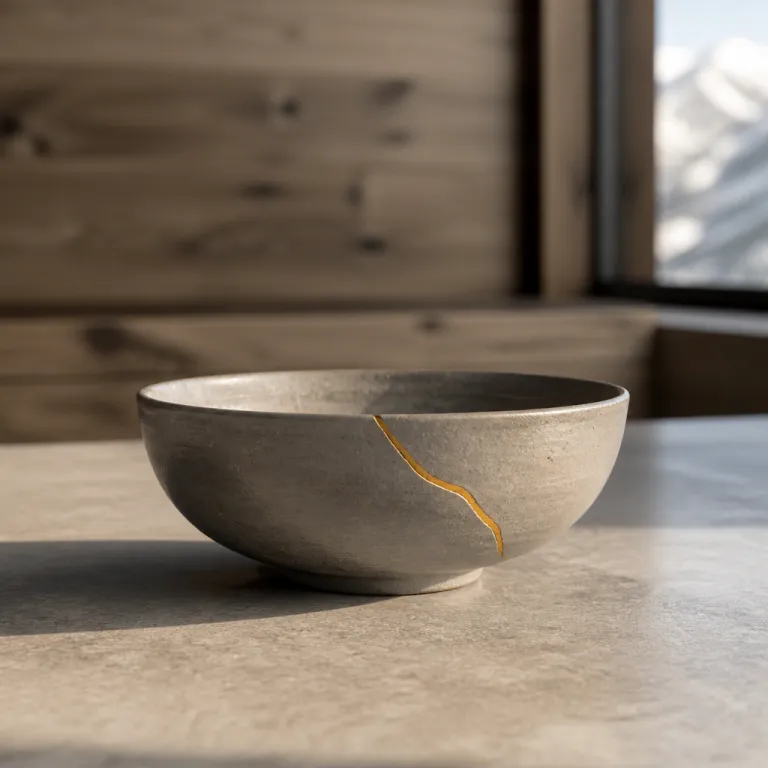
The new language of luxury chalet interior design
Luxury chalet interior design with a Scandinavian wabi-sabi sensibility is no passing fad. It is a deliberate fusion of Nordic restraint and Japanese sabi philosophy, tuned carefully to the realities of mountain weather and long winter nights. For travelers choosing a chalet over a conventional house or hotel, this design language quietly signals that the architecture is there to frame the landscape, not compete with it.
The prevailing aesthetic in 2026 draws heavily from Scandinavian minimalism and Japanese wabi-sabi, filtered through an Alpine lens. That means an interior where every room is edited down to essential pieces, yet the overall house interior still feels like a deeply cozy retreat after a day on the slopes. Designers such as Ilse Crawford and Norm Architects, whose work for projects like the Ett Hem hotel in Stockholm and the Kinuta Terrace apartments in Tokyo has been widely published since the mid‑2010s, talk less about trends and more about how the interior can age gracefully, letting wood, stone, and textiles gather patina over time.
Behind the calm surfaces sits a very modern understanding of how travelers actually use a ski chalet. You want a living room that can handle wet gloves and champagne flutes without anxiety, so interior designers lean on natural materials that wear in rather than wear out. This is where wabi-sabi meets modern living; the design approach accepts imperfection, while Scandinavian clarity keeps the layout intuitive, the circulation logical, and the lighting layered but never theatrical.
From swiss chalet nostalgia to modern farmhouse calm
Many guests arrive with a mental image of a classic swiss chalet, all carved balustrades and heavy drapes. The new luxury chalet interior design, shaped by Scandinavian calm and wabi-sabi restraint, does not erase that heritage; it edits it, keeping the warmth of wooden beams while stripping away visual noise. Think of it as a modern farmhouse mood translated to altitude, where rustic character and modern comfort share the same room.
In practice, that means architecture that still reads as a chalet from the outside, but inside the house design is cleaner, quieter, and more intentional. A ski chalet hallway might keep its traditional style timber ceiling, yet the walls are finished in limewash and the floor in wide oak boards that will slowly silver. The result is a mountain refuge that feels both classic and modern, with decor that respects history while embracing a softer, more contemplative interior.
Nowhere is this more evident than in the so‑called service spaces, especially the boot room that every serious ski chalet needs. As we argue in our guide to the boot room as the true heart of a chalet, this is where design, function, and feel either align or fall apart. When the boot room uses natural materials, calm lighting, and a restrained design style, you sense immediately that the entire house interior has been considered with the same level of care.
Wood, light, and the quiet power of natural materials
Spend a night in a well designed wabi-sabi chalet and you notice the wood first. Not shiny wooden panels, but raw timber, sometimes left to silver on exterior terraces, sometimes brushed and oiled inside to keep the grain alive. This kind of interior design relies on natural materials to carry the mood, so the architecture can stay simple and the rooms can breathe.
Designers working in this language obsess over light and lighting because mountain conditions change fast. Daylight can bounce off snowfields with almost clinical intensity, then drop to deep blue shadow within minutes, so a modern chalet needs layered lighting that can shift from bright task to soft glow. In a living room, that might mean a central pendant in pale paper, low level floor lamps in dark corners, and warm LED strips tucked under wooden benches to keep the feel intimate.
At dinner, the dining room becomes the stage where Scandinavian restraint and sabi philosophy meet. A long wooden table, perhaps in ash or oak, sits under a single sculptural pendant, while hand made ceramics and linen runners introduce subtle texture. Our feature on how a vintage Swiss chalet music box can inspire a stay shows how even tiny pieces of decor can echo this approach, using classic motifs in a modern, almost meditative style.
Rooms that work hard: living room, bedrooms, and the quiet corner
For travelers, the real test of this luxury chalet interior design philosophy is how each room supports daily rituals. The living room should feel generous enough for a group yet still like a cozy retreat when you are alone with a book. That balance comes from a restrained house interior palette, generous sofas in natural fabrics, and a fireplace framed by stone and wood rather than glossy metal.
Bedrooms in this design style lean toward modern farmhouse simplicity, with low wooden beds, wool throws, and almost monastic lighting. You will often see shoji inspired screens or linen curtains instead of heavy doors, softening transitions between spaces and letting the mountain light filter gently. Interior designers use these pieces to create a calm feel without clutter, proving that modern living in a ski chalet does not require endless cushions or decorative objects.
Even circulation spaces matter in this architecture driven approach to interior design. A stairwell might become a gallery for a few carefully chosen pieces of pottery, while a landing turns into a reading nook with a single chair and a view to the mountain. When you book, do not be afraid to ask how the house design handles these in‑between zones, because they often reveal whether the chalet is truly aligned with wabi-sabi principles or just borrowing the vocabulary.
How to read listings: what to look for in a wabi-sabi chalet
On a booking website, the phrase luxury chalet interior design with Scandinavian wabi-sabi influences can be used loosely. To separate marketing from reality, start by scanning photos for honest natural materials rather than synthetic lookalikes. Real wood, stone, clay, and wool age in a way that supports the sabi philosophy, while plastic laminates and shiny composites rarely do.
Next, study how the design style handles clutter and storage, especially in the living room and dining room. A true wabi-sabi ski chalet will have built in benches, concealed cupboards, and generous mudroom storage, so surfaces stay clear without feeling sterile. Look for lighting that feels warm and layered, not just a grid of downlights, because good lighting is the quiet backbone of any successful interior.
Biophilic thinking is another strong indicator that a chalet understands this design language. Properties that integrate plants, views, and tactile natural materials tend to feel more restorative, and research in the French Alps by regional tourism boards, published in annual accommodation trend reports since around 2022, has found that biophilic chalets can command a premium; we explore this in depth in our guide to biophilic design in luxury mountain lodges. When a listing mentions collaboration with architects, artisans, and an interior designer, and you see that the house interior uses a restrained palette, wooden textures, and classic yet modern pieces, you are likely looking at a chalet where Scandinavian calm and wabi-sabi depth genuinely meet.
FAQ
What is wabi-sabi in the context of a luxury chalet interior ?
Wabi-sabi in a luxury chalet interior means embracing imperfection, patina, and simplicity rather than chasing glossy perfection. In practice, that translates into natural materials, visible grain in the wood, and a design style that allows the mountain setting to remain the main event.
How does Scandinavian design influence modern chalet interiors ?
Scandinavian design contributes functionality, clarity, and a focus on light to modern chalet interiors. When combined with wabi-sabi, this influence keeps rooms practical for ski life while maintaining a calm, uncluttered feel.
Why are natural materials so important in this design style ?
Natural materials such as timber, stone, wool, and clay age gracefully and support the sabi philosophy of beauty in imperfection. They also regulate humidity and temperature better than many synthetics, which matters in a mountain climate. For guests, this means a cozier retreat with a more authentic connection to the surrounding landscape.
How can I tell from photos if a chalet follows this approach ?
Look for a restrained palette, visible wooden textures, and simple, functional furniture rather than ornate decoration. Check whether the living room and dining room feel open yet warm, with layered lighting instead of harsh spotlights. If the architecture, interior design, and decor pieces all seem to prioritise calm and comfort over display, you are likely seeing a genuine Scandinavian wabi-sabi influence.
Is this style suitable if I prefer a more traditional alpine feel ?
Yes, because many properties blend traditional style elements of the swiss chalet with modern farmhouse calm and wabi-sabi restraint. You still get exposed beams, a fireplace, and a strong wooden presence, but without heavy fabrics or excessive ornament. The result is a house interior that feels both classic and modern, ideal for travelers who want character without clutter.