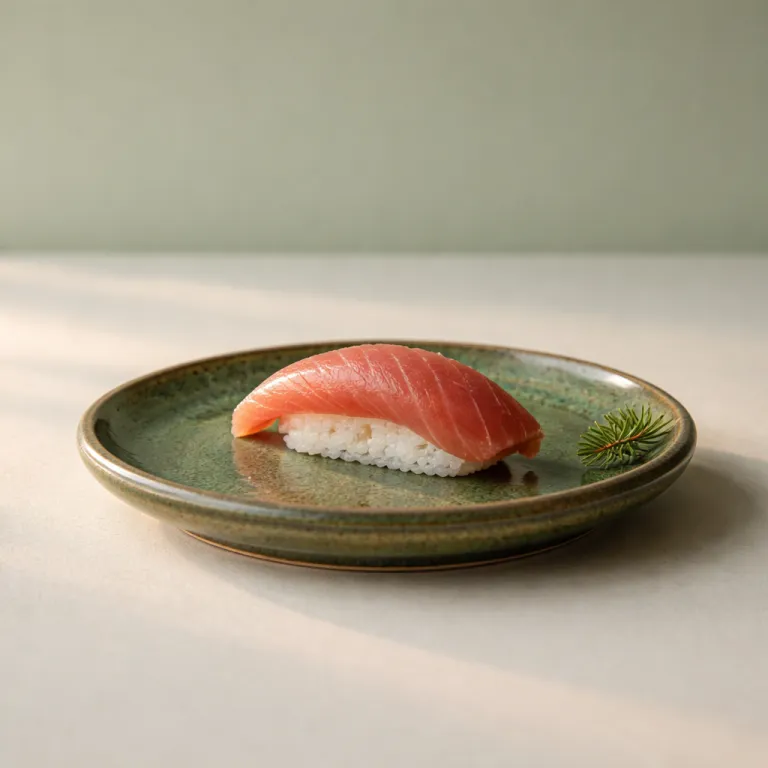
Edomae omakase at altitude: CERVO Zermatt’s new Japanese chapter
CERVO Mountain Resort in Zermatt, Switzerland is preparing a bold culinary shift that will interest any traveler planning a refined stay Zermatt. The new Japanese dining concepts at CERVO bring Tokyo’s Edomae tradition into a mountain resort setting where ski days, spa rituals and great dining now carry equal weight. For guests used to choosing a recommended restaurant only after checking the slopes map, this is a clear signal that food has become part of the main event.
The project centers on Yoshinori "Yoshi" Tezuka, a fourth generation sushi master and owner of Matsunozushi in Tokyo, who will anchor the intimate omakase counter named Matsunozushi 79 at CERVO. In the resort’s own briefing, questions such as "Who is Yoshinori Tezuka?" and "What is Edomae sushi?" sit alongside "Where is CERVO Mountain Resort located?", underlining how seriously the hotel group treats this collaboration. His Edomae technique, traditionally linked to Tokyo Bay, will now be practiced above the village Zermatt, with views stretching towards Trockener Steg and the glacier slopes as guests watch him brush soy over a slice of glistening fish.
Alongside Matsunozushi 79, CERVO is launching Yama Noir, a Japanese inspired bazaar of flavors that reads as an 80s nightlife tribute rather than a standard Zermatt restaurant. Guests can move from the focused omakase counter to a full izakaya style restaurant space where live music, high quality sake and crafted cocktails create a change of pace from classic cheese fondue evenings. For travelers used to scanning lists of the best places for fine dining after a day on the ski slopes, this twin concept positions CERVO among the Zermatt great addresses for those who love narrative driven food experiences and want a clear reservation plan before arrival.
From Tokyo bay to Matterhorn views: how omakase reshapes chalet stays
The CERVO Zermatt Japanese restaurant omakase experience is being shaped by more than one personality: entrepreneur Koji Nishinaga, who grew up in Zermatt with Japanese roots, joins hotelier Daniel F. Lauber to translate Tokyo precision into alpine reality. Their long standing friendship, combined with Yoshi Tezuka’s heritage, means the omakase set menu will likely feel as considered as the resort’s ski in access and spa circuit. For guests booking a luxury chalet through a premium platform, this level of curation turns a simple stay Zermatt into a full culinary journey that starts at check in and continues until the last nigiri at the counter.
Hospitality Net has already framed the context clearly, noting in a 2024 briefing that "dining is entertainment" and that guests now expect a narrative as much as a plate. At CERVO, that narrative runs from the slopes above Trockener Steg down to the terrace where après ski drinks, live music and Japanese bar snacks replace the usual cheese fondue platters. The CERVO Zermatt Japanese restaurant omakase counter then offers a quieter chapter, where each piece of sushi becomes part of a story that links selection local fish, alpine wasabi notes and the rhythm of the day on the mountain, with the chef explaining in a low voice why a particular cut is served in a single bite.
For travelers comparing great dining options across different mountain resort destinations, this move aligns Zermatt, Switzerland with the Japanese influenced scenes of Niseko and other ski hubs where food and ski now share equal billing. Guests who love both fine dining and long ski days can plan evenings that start with a relaxed bazaar style izakaya session and end at the omakase counter, rather than hopping between unrelated restaurants. Those researching premium chalet experiences and top notch culinary stays will find useful context in guides to elevated chalet food experiences, then apply that lens when assessing how CERVO’s Japanese concepts, reservation policies and seasonal menus fit their own trip.
Why CERVO’s Japanese concepts matter for luxury chalet travelers
For a luxury and premium booking website focused on chalets, the CERVO Zermatt Japanese restaurant omakase opening is more than a menu update: it changes how guests structure their entire stay. A pair of travelers might now book a chalet near CERVO Mountain Resort specifically to combine private space with easy access to this Zermatt restaurant duo, treating Yama Noir and Matsunozushi 79 as an extension of their living room. That shift mirrors a wider trend where the best chalet stays are defined as much by nearby restaurants and live music as by the hot tub or spa, and where a clear reservation link or concierge contact is considered essential.
On a practical level, travelers should expect strong demand and plan for advance reservations, especially on peak ski days when après ski energy flows naturally into evening seatings. Early booking via the resort’s reservation system, a clear confirmation email and a flexible cancellation policy will help guests secure preferred time slots without stress. Smart casual dress will fit the 1980s inspired Yama Noir atmosphere, while the hidden omakase counter will likely attract diners who value high quality, top notch service over spectacle, even as they sit within earshot of the bar’s music and the clink of cocktail shakers.
As Zermatt great dining options expand, CERVO’s move places the resort firmly among Europe’s best places for travelers who love both the slopes and serious food. While the new concepts do not carry a Michelin star at launch, the combination of Edomae technique, selection local ingredients and a mountain resort setting will inevitably draw comparisons with established fine dining addresses. Travelers who already follow our coverage of refined alpine menus, such as the detailed look at the Refined Chalet Suisse restaurant menu, will recognize the same commitment to great dining here, now filtered through the lens of Tokyo at 1,600 metres and framed by a clear invitation to reserve ahead.