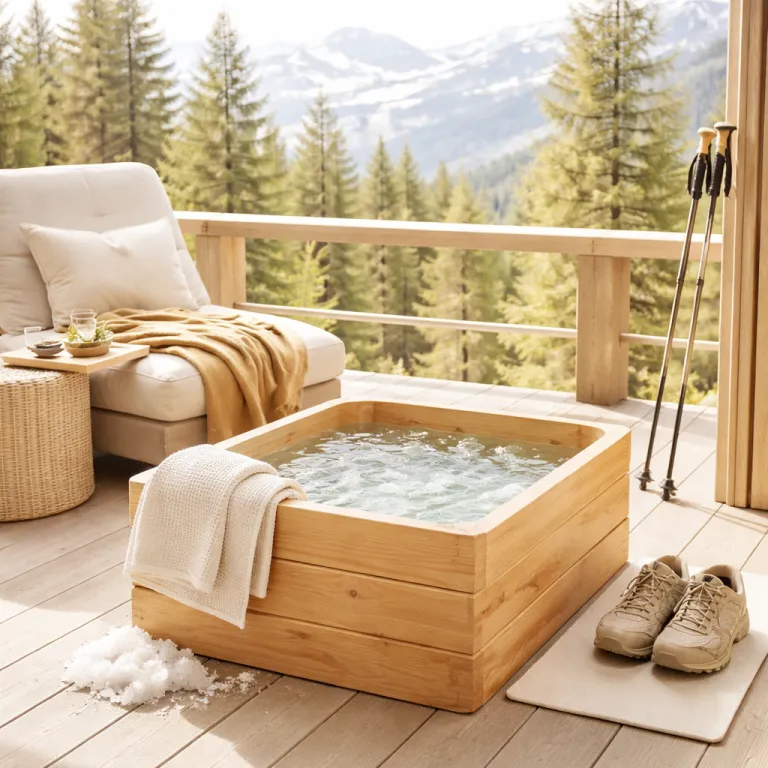
Why an alpine wellness retreat starts with altitude, not aromatherapy
An alpine wellness retreat in the high mountains is first a relationship with altitude, not a race through a spa menu. At elevations between 1 500 and 2 500 metres above sea level, your body quietly rewires how it uses oxygen, and altitude training in this range can improve oxygen utilisation by around 10 % according to scientific studies. For couples used to urban hotels at sea level, the first night in the alps feels different, and the mountain air becomes part of the programme rather than just a backdrop.
Luxury chalets in austria, Tyrol, and South Tyrol now design wellness breaks around this physiological shift, often partnering with centres such as Altitude Wellness that specialise in altitude exposure, IV therapy, and cryotherapy. Instead of pushing only classic spa treatments, the best alpine spa resorts schedule guided hikes, gentle trail runs, and even altitude chamber sessions in the morning, then reserve the afternoon for targeted spa wellness rituals. The result is a rhythm where time in the alpine spa or indoor pool supports what you did outside, rather than replacing it.
For travellers comparing hotels and chalets, the key question is not just the price per night but how intelligently the property uses its setting. A true alpine wellness chalet will brief you on acclimatisation, suggest lighter activity on arrival day, and adjust spa offers or spa treatments if you feel the altitude. When a property talks about mountain views yet ignores how altitude affects sleep, recovery, and appetite, it is selling scenery, not best wellness outcomes.
Forest bathing in alpine forests: where silence becomes the main facility
Walk ten minutes from many chalets in Tyrol or South Tyrol and you step into dense spruce and larch forests that feel purpose built for wellness. Forest bathing, or shinrin yoku, is the practice of slow, mindful walking among trees, and health research shows that forest bathing reduces cortisol levels by 12 %. Couples who usually rush from spa facilities to dinner find that one hour of guided silence among alpine trees can be more restorative than another circuit of pools and saunas.
Some of the best alpine wellness programmes now integrate certified guides, similar to organisations such as Mountain Walks & Wellness in Colorado, to lead these sessions safely and intentionally. Instead of a generic hotel walk, you follow a route that alternates open mountain views, shaded paths, and short barefoot segments near a lake or stream, allowing the nervous system to downshift gradually. Back at your chalet, the spa wellness team might pair this with a steam bath or a gentle sauna steam session, using heat to extend the relaxation triggered outdoors.
From a booking perspective, look for alpine spa resorts that treat the forest as a core asset, not a photo opportunity. The best wellness chalets in europe publish clear time schedules for forest bathing, explain the science, and offer both private and small group sessions at different price points. When hotels simply list outdoor walks among their spa offers without structure, you are unlikely to receive the depth of experience that justifies travelling into the mountains for wellness.
Cold water, hot stones: how alpine chalets use contrast for deep recovery
Cold water therapy in an alpine wellness retreat is not a gimmick; it is a direct extension of the landscape. Clinical trials indicate that cold water therapy decreases muscle soreness by 15 %, which matters after a day of ski touring or steep hiking in the alps. When chalets position glacial plunge pools, cold plunge tubs, or access to a mountain lake just metres from warm pools and saunas, they create a contrast circuit that athletes have used for decades.
Centres such as Alpine Fitness, which provides cold plunge therapy and sauna sessions, show how structured contrast can be both safe and exhilarating for couples. In the best alpine spa resorts, you might start with a short sauna steam or steam bath, move into a cold immersion pool for 30 to 60 seconds, then rest on a heated stone bench facing stunning mountain views framed by floor to ceiling glass. This sequence, repeated a few times, becomes more powerful than a long, passive soak in generic pools and saunas.
When comparing hotels and chalets, read how they describe their pools, saunas, and indoor pool design. A property that simply lists spa facilities without explaining protocols, supervision, or timing is selling hardware, not wellness expertise. Look instead for chalets that mention cold water immersion coaching, outdoor plunge options, and flexible spa offers that can be tailored to your activity level and the time you spend in the mountain air each day.
Medical wellness chalets versus classic spa stays: what couples should know
Not every alpine wellness retreat is created for the same kind of traveller, and the difference between medical wellness chalets and classic spa resorts matters. Medical focused properties often begin with health assessments, blood work, and consultations with health professionals, then build personalised protocols that integrate altitude exposure, spa treatments, and nutrition. Classic spa hotels, by contrast, tend to emphasise menus of massages, facials, and hydrotherapy with less emphasis on measurable outcomes.
For couples, the choice comes down to intention, time, and budget, because the price per night at medical wellness resorts is usually higher but includes more structured care. If you are seeking long term changes in sleep, stress, or cardiovascular fitness, a medically supervised alpine spa programme in austria or South Tyrol may offer the best wellness value. If your goal is a romantic reset with mountain views, good food, and flexible spa wellness rituals, a premium chalet with strong spa facilities and access to outdoor activities may be the perfect balance.
Either way, ask precise questions before you book, especially when browsing curated platforms such as chalet-stay.com, where you can also understand how overall chalet price structures work through guides like this one on a typical Swiss chalet dinner and stay explaining what to expect from a Swiss chalet escape price. Clarify whether altitude training sessions are included, how many spa treatments are part of the package, and whether spa offers can be adjusted if you feel tired from the mountain air. A credible alpine wellness property will answer clearly, share data, and never hide behind vague language about being the best alpine destination without specifics.
Where to go: Engadin, Tyrol, Chamonix and the new altitude circuit
Across europe, a handful of alpine regions have quietly become reference points for serious wellness breaks. The Engadin valley in Switzerland combines high plateau villages at around 1 800 metres above sea level with dry mountain air, making it ideal for gentle altitude adaptation and year round outdoor activity. Many chalets here pair minimalist spa facilities with strong programmes of cross country skiing, hiking, and lake walks, letting the landscape carry much of the wellness work.
Tyrol and South Tyrol, straddling austria and Italy, offer a different flavour of alpine wellness rooted in farm traditions, herbal treatments, and family run hotels. Couples can book chalets that sit above a valley floor, with floor to ceiling windows framing stunning mountain ridges, then spend the day moving between alpine spa rituals, forest bathing, and guided cold water dips in nearby streams or lakes. Chamonix in France, meanwhile, has become a hub for mountain sports recovery, where spa resorts cater to trail runners, climbers, and skiers who use altitude training, spa wellness circuits, and targeted spa treatments to extend their seasons.
When you compare these regions, remember that the best alpine wellness choice is the one that matches your lifestyle, not just your Instagram feed. Engadin excels for couples who value quiet and space, Tyrol and South Tyrol shine for those who want culture with their wellness, and Chamonix suits travellers who see the spa as a tool for performance rather than a destination. Whatever you choose, check local availability of wellness services, prepare for varying weather conditions, and consult professionals before starting new therapies so that your alpine wellness retreat feels both indulgent and intelligently designed.
FAQ
What is altitude training in an alpine wellness context ?
Altitude training means spending time or exercising in low oxygen environments, typically between 1 500 and 2 500 metres above sea level. In an alpine wellness retreat, this can involve guided hikes, light runs, or sessions in altitude chambers supervised by professionals. The goal is to enhance performance and oxygen efficiency while respecting your current fitness and health status.
How does forest bathing support wellness during a chalet stay ?
Forest bathing is a slow, mindful walk in natural forests that focuses on sensory awareness rather than distance. Health research indicates that forest bathing reduces cortisol levels by 12 %, which translates into lower stress and improved mood. In alpine regions, combining forest bathing with gentle spa wellness rituals such as a steam bath or sauna steam session can deepen relaxation.
Is cold water therapy safe for everyone in the mountains ?
Cold water immersion in mountain lakes, plunge pools, or cold tubs is generally safe for healthy adults when introduced gradually. However, if you have cardiovascular issues or other medical conditions, you should consult a professional before starting, because sudden exposure can be stressful for the body. Many high end chalets now offer supervised sessions so couples can experience the benefits while minimising risk.
How do medical wellness chalets differ from classic spa resorts ?
Medical wellness chalets integrate health assessments, lab work, and consultations with doctors or therapists into their programmes. Classic spa resorts focus more on relaxation through massages, facials, and hydrotherapy without detailed medical oversight. For travellers seeking long term change rather than a short reset, the structure and monitoring at medical wellness properties can justify the higher price per night.
What should couples check before booking an alpine wellness retreat ?
Couples should verify the altitude of the property, the range of spa facilities, and the balance between indoor and outdoor activities. It is wise to ask how many spa treatments are included, whether forest bathing or altitude training is offered, and how flexible the spa offers are if plans change. Clear answers on these points signal a trustworthy, guest focused approach to alpine wellness.
Selected sources : World Luxury Chamber on wellness travel trends ; International Journal of Environmental Research and Public Health on forest bathing ; British Journal of Sports Medicine on altitude training and performance.