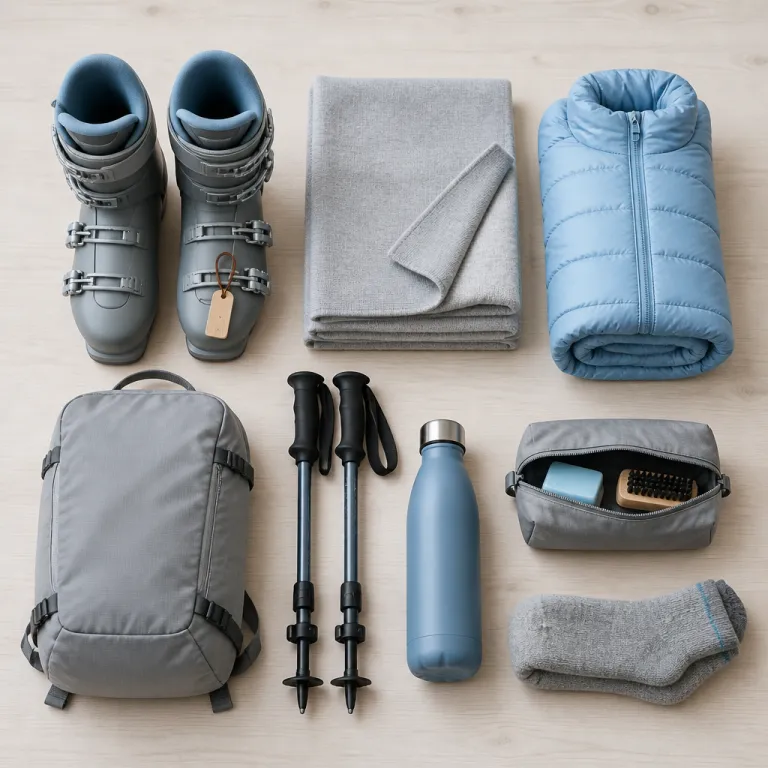
What defines a true sportsman chalet for active travelers
A genuine sportsman chalet is built around movement, not just views. It places you close to trails, a lake, or a river, so your day flows naturally from sunrise training to relaxed evenings by the fire. In the wider alpine area, this means checking how far your chalet sits from ski lifts, sports recreation hubs, and structured recreation paths.
Luxury platforms now curate chalets with dedicated sports rooms, wax benches, and drying spaces for snow gear, which transforms a simple stay into a performance focused base. When you plan a trip, look for floor plans that show gear storage, boot warmers, and flexible sleeping options for mixed ability groups. As a practical rule of thumb, aim for secure storage for every guest, at least one drying rack per pair of skis or boards, and enough beds that each athlete can sleep without sharing if recovery is a priority.
Many travelers compare a sportsman chalet in the Alps with active lodges in other forest and lake regions, where snow, woodland, and water based culture shape a similar lifestyle. In both types of destination, local businesses and service clubs often support trail grooming, snow report updates, and safety signage for visiting athletes. Choosing chalets that partner with these community initiatives helps you find perfect training conditions while supporting long term tourism development.
Choosing the right location: lakes, rivers, and snow focused areas
Location is the single most important factor when you book a sportsman chalet. For winter sports, prioritize altitude, slope orientation, and the reliability of snow, then cross check this with an independent snow report or resort report plan. In summer, proximity to a lake or a gentle river can matter more than vertical drop, especially if your trip mixes trail running with paddle sessions.
In alpine France, Switzerland, and Italy, high end chalets cluster around lift linked villages where tourism development has created dense networks of trails and lifts. These areas resemble the way northern lake communities in the United States organize recreation around lakes, rivers, and snowmobile routes, supported by local businesses and fishing guides. When you plan a trip north to cooler climates, you should always read a destination guide that explains how far your chalet sits from the main sports recreation corridors.
Some luxury booking sites now map chalets by activity radius, showing how many kilometers separate you from ski touring starts, cross country loops, or lake access. This helps you find perfect places to stay that match your training plan rather than just your décor preferences. For a concrete example of how a well positioned property can elevate performance, study a high altitude alpine retreat in regions such as Chamonix or Zermatt, then apply the same criteria to your chosen area, including walking distance to lifts and realistic transfer times to key trailheads.
Inside a luxury sportsman chalet: design, facilities, and recovery
Interiors in a luxury sportsman chalet must balance elegance with function. You should expect heated floors, generous mudrooms, and ventilated storage so snow soaked equipment dries quickly overnight. High end chalets also integrate spa style recovery zones, with saunas, hot tubs, and sometimes cold plunge pools to support structured training plans.
Thoughtful development inside these chalets mirrors the way professional athletes organize their home environments. Open plan living spaces allow your équipe to stretch, foam roll, or hold a quick briefing before heading out, while quiet bedrooms support deep, uninterrupted sleep. When you compare options, look for clear photos of gear rooms, laundry facilities, and kitchen layouts that can handle high calorie, athlete friendly cooking.
Some of the most refined alpine properties now rival urban real estate in finish, yet remain firmly rooted in local community culture. They showcase regional timber, stone, and textiles, and they often collaborate with local businesses such as guides, ski schools, and fishing guides to create tailored experiences. For an example of how French alpine elegance can coexist with performance focused design, review a guide to French chalet elegance in the Alps and adapt its criteria to your own sports driven priorities.
How to use booking platforms to find perfect sportsman chalets
Luxury booking websites for chalets now function as detailed destination guide tools for active travelers. Filters allow you to find options with ski in ski out access, lakeside jetties, or direct river frontage for paddle sports. The most advanced platforms even integrate live or regularly updated snow report data so you can align your trip with reliable conditions.
When you plan a trip north to alpine regions, start by defining your training objectives and then work backwards. Decide how many hours of sports recreation you want each day, then use map views and activity filters to help find chalets that minimize transfer time. As a benchmark, many active travelers try to keep daily travel to lifts or trailheads under 20 minutes door to door, and under 10 minutes for intensive training blocks.
Experienced travelers also read long form reviews and expert features before committing to a property. Articles that analyze privacy, layout, and adult focused experiences, such as a refined look at a Colorado style chalet review, can sharpen your eye for detail. Over time, you will find perfect places to stay more quickly, because you learn how to interpret floor plans, amenity lists, and subtle cues about service standards.
Community, events, and the wider sportsman lifestyle
A sportsman chalet does not exist in isolation from its host community. The most rewarding stays connect you with local events, service clubs, and volunteer groups that maintain trails, rivers, and lake access. In alpine villages, these networks resemble the tight knit communities in northern lake districts, where tourism and recreation are deeply intertwined.
Seasonal celebrations can add unexpected depth to a training focused trip. In some destinations, winter festivals echo the spirit of European Christmas markets, with jingle bell themed runs, town center concerts, and candlelit ceremonies around a community center. Participating in such events can turn a simple training block into a richer cultural experience, especially when local businesses host athletes for post race gatherings.
Economic development also shapes the long term quality of your favorite mountain destinations. Tourism development grants, real estate investment, and the creation of seasonal outdoor recreation jobs all influence how well trails are maintained and how quickly snow report information is updated. By choosing chalets that support local initiatives, you help find a balance between high end comfort and sustainable community growth.
From Arizona to the Alps: lessons from Sportsman Chalet in Pine
Although the term sportsman chalet often evokes snow covered roofs, the concept extends beyond alpine Europe. In Pine, Arizona, a venue named Sportsman Chalet operates as a bar and grill that serves as a social hub for hikers, anglers, and road trippers exploring the Mogollon Rim. This establishment shows how food, events, and community can anchor an active lifestyle even without ski lifts outside the door.
The Sportsman Chalet in Pine offers in person dining, takeout services, and live music events that bring together locals and visitors after long days outdoors. Its role as a gathering place mirrors how European chalets function as evening bases for debriefing, recovery meals, and planning the next day’s recreation. Publicly available directory listings in early 2024 describe a rotating menu, seasonal opening hours, and a calendar of occasional music nights rather than a fixed, year round schedule.
Travelers who split their time between the American West and the Alps often apply similar criteria when they choose places to stay. They look for venues that support sports recreation, foster genuine community, and collaborate with local businesses and event organizers. Whether you are booking a luxury chalet in the Alps or planning a road trip through Arizona, this mindset will help you find perfect bases that respect both performance and place.
Key figures and trends in luxury sportsman chalets
- Customer review volumes for active venues can be high; for example, popular mountain restaurants and lodges in North America and Europe often attract several hundred online reviews, indicating strong community engagement and consistent visitor traffic.
- In leading Alpine resorts, tourism development agencies frequently report that sports and recreation activities account for a substantial share of overnight stays, showing how closely chalet demand is tied to outdoor performance travel.
- Market analyses from European tourism boards commonly note that luxury chalets with spa and recovery facilities achieve higher occupancy rates than standard properties, reflecting growing interest in health focused travel.
- Destination management organizations in mountain regions report that grants for trail and lift development can increase local tourism revenue over several seasons, which directly benefits chalet owners and service businesses.
FAQ about booking a luxury sportsman chalet
How close should a sportsman chalet be to ski lifts or trails ?
For intensive training trips, aim for a chalet within 500 m walking distance of a lift or main trailhead. This minimizes transfer time and makes early starts easier in variable snow conditions. Recreational travelers can accept longer distances if shuttle services are frequent and reliable.
What facilities matter most inside a luxury sportsman chalet ?
Priority features include heated gear storage, efficient laundry, and comfortable recovery spaces such as saunas or hot tubs. A well equipped kitchen is essential if you follow specific nutrition plans or travel with a large équipe. Quiet, well insulated bedrooms also play a crucial role in deep, restorative sleep.
How can I check snow conditions before confirming my booking ?
Use official resort websites and regional avalanche centers for the most accurate snow report data. Many luxury booking platforms now integrate links to these sources directly on chalet pages. Cross checking several days of reports helps you build a realistic trip plan.
Does community life around the chalet really affect my stay ?
Yes, the surrounding community shapes everything from trail maintenance to local events and cultural experiences. Villages with active service clubs, tourism development grants, and engaged businesses usually offer better maintained infrastructure. This support network enhances both safety and enjoyment during your stay.
Is a sportsman chalet only for elite or professional athletes ?
No, these chalets suit anyone who wants an active, recreation focused trip with high comfort levels. Professional athletes may require more specialized facilities, but casual skiers, hikers, and anglers benefit from the same thoughtful design. The key is matching the property’s features to your own activity level and goals.