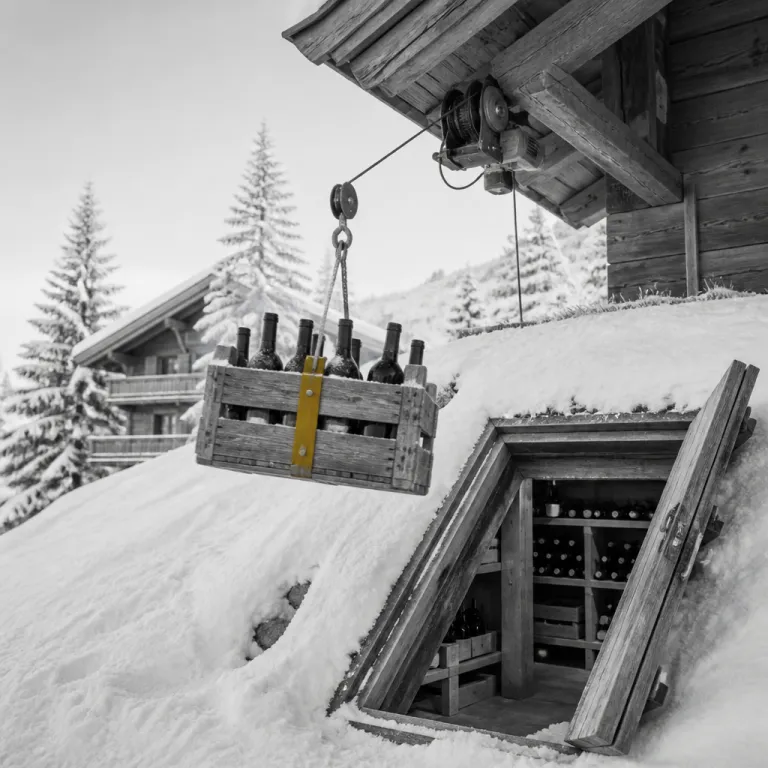
The rise of the luxury chalet wine cellar and the mountain sommelier
In the most serious Alpine retreats, the combination of a luxury chalet, a professionally engineered wine cellar, and a dedicated mountain sommelier now defines the stay as much as the view. What began as a few bottles of local wine beside the ski room has evolved into curated collections, sommelier-led tasting programs, and multi-course menus that rival city temples of fine dining. For the modern guest, the right cellar turns a simple mountain escape into a fully fledged culinary journey.
Across the Alps, owners treat each chalet as a private estate, commissioning altitude cellars with capacity for hundreds or even thousands of bottles and temperature-controlled rooms carved directly into the mountain. A typical high-end chalet cellar today might hold 600–1,200 bottles, with a primary storage room set at 12–13°C and a smaller service cellar closer to 14–15°C for wines ready to pour. These wine cellars are no longer decorative; they are working spaces where sommelier-guided social tastings, private wine dinners, and structured tasting flights are scheduled with the same precision as heli-ski transfers. In peak season, some chalets even fly in specialist mountain sommeliers who focus on high-altitude wines and who understand exactly how a Pinot Noir behaves after a long day on the slopes.
For business-leisure travelers extending a work trip, this shift matters because the cellar now shapes how a group uses the chalet’s bedrooms, living room, and private sauna spaces. A sommelier-guided dinner can start with a tasting in the private cellar, move to a relaxed wine-and-dine service in the main dining room, then finish with digestifs by the fire while the ski resort outside falls quiet. As one Verbier-based head sommelier, Anna Keller, notes, “Guests arrive for the skiing, but they come back for the evenings when the whole chalet feels like a private restaurant.” A well-designed chalet wine cellar and an experienced mountain sommelier effectively turn a winter break into a year-round reason to return, even when the ski season has long ended.
Altitude cellars, storage science and the marketing of mountain wines
Altitude cellars in high mountain chalets are marketed as ideal environments for aging wine, and there is some science behind the story. At around 1,200 meters, which is close to the average elevation for many mountain vineyards worldwide, temperatures tend to be more stable, and that stability helps wines rest quietly between one tasting and the next. Lower vibration, thick stone walls, and naturally cool air can all support a serious wine cellar when combined with modern climate-control systems.
Specialised mountain sommeliers now work with local vineyards and tourism boards to design cellars that respect both terroir and technology, using tools such as humidity sensors, insulated doors, and racking that keeps bottles at a slight angle to protect corks. Studies from organisations such as the American Society for Enology and Viticulture (ASEV) note that ideal storage conditions sit around 11–14°C with 60–75% relative humidity, and that consistent temperature is more important than chasing a single perfect number. ASEV’s technical summaries on wine stability emphasise that avoiding rapid swings of more than 2–3°C and limiting vibration are key to preserving aromatics and texture over time. Industry data on high-altitude wine tourism also highlights that many estates above 1,000 meters report particularly vivid aromatics in their wines, which aligns closely with what guests now expect from a luxury chalet wine cellar and sommelier-led program. For travelers, this means that a private tasting in a chalet cellar can feel as rigorous as a visit to a city estate, but with snow outside the cellar door.
On chalet booking platforms, you will increasingly see references to altitude cellars, private cellar access, and sommelier-led social tastings listed alongside ski-in ski-out access and the number of bedrooms. When assessing options, look for clear details on cellar size in square meters, the range of wines held, and whether guided experiences are available for both individuals and a group of guests. If you are planning a future second home, resources such as elegant chalet house kits for Alpine-inspired stays and second homes on specialist chalet design guides can also help you understand how a wine cellar should be integrated into the overall mountain dining layout.
Where the cellar rivals the slopes: key Alpine addresses
Certain Alpine properties have become reference points for the high-end chalet cellar trend, and they set a useful benchmark when you are browsing listings. In Zermatt, CERVO Mountain Resort has built a reputation around a natural wine program that treats its cellars as living libraries, with social tastings that highlight both Valais wines and experimental cuvées from other mountain regions. Here, a guest can move from a late afternoon ski session to a sommelier-led tasting in less than ten minutes, still in ski socks, yet drinking wines that would feel at home in any serious city restaurant.
Over in Verbier, The Lodge, part of Richard Branson’s estate portfolio, is known for a private cellar that mixes classic Bordeaux and Burgundy with Alpine Pinot Noir, all overseen by a dedicated in-house sommelier. The cellar sits just a few steps from the main dining room, so a multi-course dinner can be paired in real time, with the sommelier-guided service adjusting wines to the pace of the group and the mood of the evening. Guests often book the entire chalet for a private ski and wine-focused week, using the sauna, pool, and cinema room as extensions of the cellar experience rather than separate amenities.
In Courchevel, Le K2 Palace brings a different energy, with a two Michelin star restaurant and a Burgundy-heavy wine cellar that attracts serious collectors. The cellars here are deep, cool, and designed for long-term storage, yet they are also accessible for intimate tasting sessions before a fine dining menu that might stretch to a ten-course dinner. When you compare these flagships with other top Alpine chalets, including glass-rich designs such as those featured in blue chalet glass elegance showcases, you start to see how architecture, cellar design, and mountain dining now work together.
Austria, south Tyrol and france: where local wines meet the snow line
The most compelling luxury chalet cellar and sommelier programs lean heavily into local terroir, and three regions stand out for travelers who care about what is in the glass. In Austria’s Arlberg region, chalets around Lech and Zürs now stock serious selections of Austrian wines, from crisp Grüner Veltliner to structured Blaufränkisch, often stored in compact altitude cellars beneath the bedrooms and spa areas. A guest can ski the White Ring circuit by day, then return for a guided tasting that explores how these wines handle mountain dining classics such as venison, lake fish, and rich cheese dishes.
Further south, South Tyrol in northern Italy has become a quiet powerhouse for mountain wines, especially Pinot Noir grown on steep slopes that reach well above 1,000 meters. Luxury chalets here often feature private wine cellars that showcase Alto Adige whites and reds alongside international labels, with sommelier-guided flights that compare valley-floor wines to those from higher vineyards. Because many of these chalets operate year round, the cellar program shifts with each season, moving from lighter summer tasting menus to more structured winter dinner pairings as the ski resort lifts reopen.
In France, the story is equally rich, from Savoie wines poured in chalets above Megève to Rhône bottles resting in underground cellars carved directly into mountain rock. Some French chalets now offer social tastings that pair local wines with regional cheeses before a more formal fine dining service, creating a relaxed pre-dinner ritual for guests arriving from long-haul flights. When you compare these experiences with urban stays highlighted in curated city guides such as refined city escape reviews, the contrast underlines how strongly the mountain experience now revolves around the cellar as much as the slopes.
Designing your stay: how to book a chalet where the cellar matters
When you browse a luxury chalet booking website, treat the wine cellar with the same scrutiny you give the ski room, the sauna, and the number of bedrooms. Start by checking whether the listing mentions a dedicated wine cellar, one or more temperature-controlled rooms, or only a small rack in the main room, because this will shape the depth of any tasting or wine-and-dine experience. A serious setup will usually specify bottle capacity, temperature control, and whether the private cellar is accessible to guests without staff present.
Next, look for clear references to sommelier-led or sommelier-guided services, ideally with sample menus that show how wines are paired with a multi-course dinner format. Some chalets offer social tastings for a mixed group of guests staying in different suites, while others focus on fully private wine evenings for a single booking party, so decide which style suits your trip. If you are traveling with colleagues on a business-leisure schedule, a structured culinary journey that starts with a cellar tour, moves into a fine dining menu, and ends with relaxed conversation in the lounge can be more effective for relationship building than any formal meeting room.
Finally, consider the practicalities that come with altitude cellars and high mountain estates, especially if you plan to visit several properties in one trip. Check accessibility in advance, allow at least 30 minutes between a long ski session and a serious tasting, and remember that high altitude can subtly affect how you perceive both wines and food. With thoughtful planning, you can build an itinerary where each chalet, each cellar, and each mountain resort stop adds another layer to your understanding of how fine wine now follows the snow line, season after season.
FAQ
Why are more luxury chalets investing in serious wine cellars ?
High-end chalets increasingly compete with urban fine dining restaurants, and a professional wine cellar helps them meet those expectations. Owners see that guests now choose a chalet not only for ski access and spa facilities, but also for the depth of its cellar and the presence of a knowledgeable sommelier. As high-altitude wine tourism grows across regions such as Valais, Alto Adige, and Savoie, a strong cellar program becomes a clear differentiator in a crowded market.
Do high altitude cellars really change how wines age and taste ?
Altitude cellars benefit from naturally cooler temperatures and often more stable conditions, which can support gentle aging when combined with proper climate control. Research on wine storage emphasises that avoiding rapid temperature swings and strong vibration helps preserve aromatics and texture over time. Tasting comparisons from mountain estates suggest that some high-altitude stored wines show particularly vivid aromatics and freshness, although grape variety, producer, and vintage remain the dominant factors.
Are mountain wine cellars usually accessible to chalet guests ?
Access policies vary, but many luxury chalets now design their wine cellars as guest-facing spaces rather than purely functional storage. In some properties, guests can enter the private cellar with a sommelier for guided tastings, while in others they may only visit during scheduled social tastings or private dinners. When booking, ask whether you can tour the cellar, choose bottles directly, or request a pairing tailored to your group.
How should I plan a tasting evening during a ski focused stay ?
Allow a buffer of at least 30 to 60 minutes between returning from the slopes and starting any serious tasting, so your palate and body can adjust. Many travelers schedule a short sauna or a light snack before moving into a structured tasting or multi-course dinner in the main dining room. Communicate your preferences and pace to the sommelier in advance, especially if your group includes both wine enthusiasts and less experienced guests.
Can non experts enjoy sommelier guided experiences in these chalets ?
Mountain sommeliers are used to working with mixed groups, from collectors to casual drinkers, and they design tastings that remain engaging for everyone. A good guided session will focus on clear contrasts, such as comparing valley wines with high-altitude bottles, rather than technical jargon. If you share your comfort level and interests when booking, the chalet team can tailor the evening so that every guest feels included and relaxed.