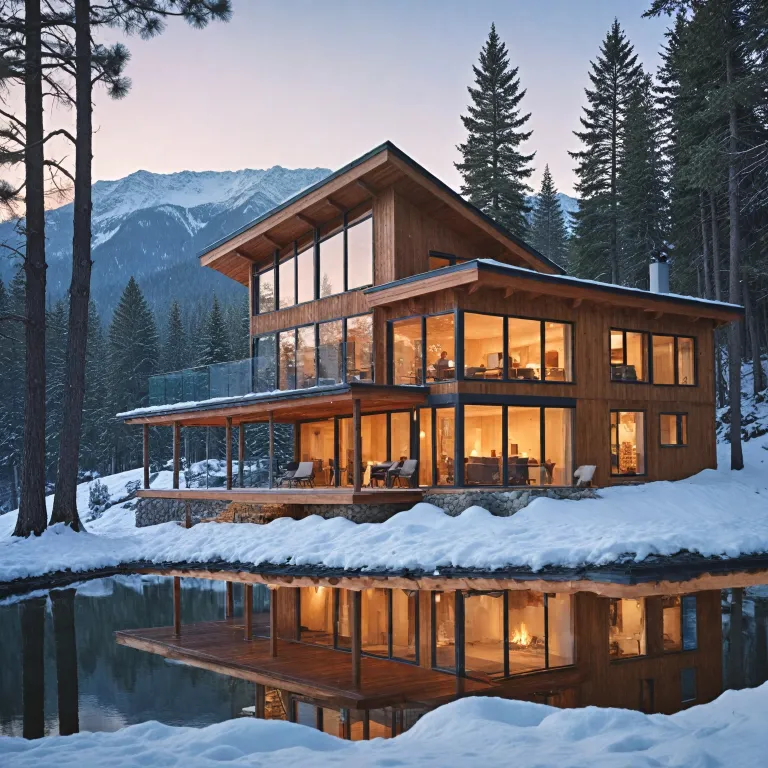
Chalet modular homes as a new standard for premium stays
Chalet modular homes are reshaping how discerning guests approach mountain and lakeside escapes. These modular homes combine the romance of a traditional chalet with the precision of prefabricated construction, creating cabins that feel both timeless and quietly contemporary. For travelers comparing a chalet to a conventional hotel room, the promise is simple yet powerful ; more living space, more privacy, and a stronger sense of place.
In hospitality, the most successful chalet modular properties balance efficiency with emotion. Off site modular builders assemble modules in controlled environments, then complete the unfinished details on location to achieve a polished, finished result that still feels handcrafted. This approach shortens timelines, controls quality, and allows owners to offer premium cabins with generous bedroom and bathroom configurations at competitive nightly rates.
For guests, the appeal lies in the architecture as much as the amenities. Steep roofs, wide decks, and expansive glass invite natural light and frame every view, whether you are in the Hudson Valley, the Finger Lakes, or a high alpine valley. A well designed modular chalet often features an open concept great room, a beautiful log accent wall, and a covered porch that blurs the line between interior living space and the surrounding landscape.
Manufacturers such as Dickinson Homes, Stratford Homes, Carriage Shed, and Buffalo Modular Homes have elevated the chalet style into a refined hospitality product. Their chalet modular collections offer flexible floor plans, from compact one bedroom cabin layouts to generous multi bedroom bathroom suites for extended families. For travelers, this means more choice, clearer expectations, and the reassuring consistency of professional modular builders behind each stay.
From floor plans to finished stays on luxury booking platforms
For a luxury or premium booking website, the challenge is translating technical chalet modular floor plans into emotionally engaging travel experiences. Guests rarely care how many modules a chalet cabin uses, but they care deeply about how the bedroom and bathroom layout supports their stay. This is where clear, visual storytelling around floor plans, decks, porches, and great room configurations becomes a decisive advantage.
High quality listings should include a downloadable floor plan, ideally as a clear download PDF that guests can save and share. Many travelers want to compare cabins side by side, so offering a simple download option for each chalet modular layout builds trust and reduces pre arrival questions. When a guest can open a PDF and immediately understand the flow from entry porch to open concept kitchen and great room, they feel more confident booking a longer stay.
To serve both planners and dreamers, combine technical clarity with atmospheric detail. Describe how the deck catches the morning sun, how the log accents warm the great room, and how the bedroom bathroom suite offers privacy for couples or friends. Then support those words with precise floor plans that show the exact size of the living space, the position of each bathroom, and whether the cabin includes a covered porch or wraparound deck.
Luxury platforms should also highlight whether a property is finished or partially unfinished, especially for extended stay or workcation guests. Some travelers appreciate a fully finished chalet log interior with polished wood and integrated storage, while others may enjoy a more rustic log cabin feel. By pairing modular homes data with evocative descriptions, booking sites can help guests find the chalet style that matches their personal travel narrative.
Design details that matter for chalet modular homes guests
When travelers browse chalet modular homes, they are not only comparing prices ; they are evaluating how each detail will shape their time away. The most successful modular chalet listings lean into design elements that guests can immediately picture, from the angle of the roof to the way natural light fills the great room. A clear focus on layout, materials, and views helps guests find the right cabin for their specific trip.
Open concept living space is one of the strongest selling points for chalet modular properties. A generous great room that combines kitchen, dining, and lounge areas allows families or groups to gather comfortably without feeling crowded. When this space opens directly onto a deck or covered porch, the transition from interior to exterior becomes seamless, especially in regions like the Hudson Valley or Finger Lakes where the view is part of the experience.
Bedrooms and bathrooms deserve equally careful attention in every listing. Use precise language such as “two bedroom bathroom suite with separate log accented cabin wing” rather than vague descriptions that leave guests guessing. Highlight whether the bathroom is ensuite, how much storage the bedroom offers, and whether the cabin includes quiet corners for reading or remote work.
Material choices also influence guest perception of luxury. A chalet log façade, a beautiful log beam in the great room, or a log cabin style porch railing can all signal warmth and authenticity. At the same time, emphasize energy efficient windows, modern bathroom fixtures, and well insulated modular homes construction to reassure guests that comfort matches character. This balance of chalet style romance and contemporary performance is where premium chalet modular stays truly excel.
Location, landscape, and the power of the view
For chalet modular homes, the surrounding landscape is as important as the interior design. Guests choosing a modular chalet over a standard hotel are often seeking immersion in nature, whether that means forest, lake, or mountain panoramas. The way a chalet cabin is oriented on its site, and how its deck or porch frames the view, can significantly influence booking decisions.
Luxury booking platforms should therefore treat the view as a core feature, not an afterthought. Describe how morning light enters the great room through floor to ceiling windows, or how the deck offers a sheltered vantage point for sunsets over the Finger Lakes. In regions like the Hudson Valley, highlight how chalet style modular homes nestle into wooded slopes while still providing easy access to vineyards, historic towns, and cultural attractions.
Thoughtful photography is essential to convey this relationship between cabin and landscape. Capture the modular chalet from the deck, the porch, and the interior looking outward, so guests can imagine themselves moving through the living space. Include at least one image that shows the full chalet log or log cabin profile against its natural surroundings, emphasizing both the architecture and the terrain.
For deeper inspiration on how luxury chalets integrate with historic settings, you can explore this detailed guide to luxury and premium chalet stays in a historic district. Even if your modular homes are in a different region, the same principles apply ; celebrate the dialogue between building and landscape. When guests can clearly see how a chalet modular property frames the view, they are more likely to feel that this specific cabin, among many cabins, is the right choice for their stay.
Practicalities, sustainability, and guest expectations
Behind every serene stay in chalet modular homes lies a network of practical decisions that shape comfort and sustainability. Guests increasingly ask how energy efficient a modular chalet is, especially for winter stays in snow heavy regions or summer visits in warmer climates. Clear information about insulation, windows, and heating systems reassures travelers that their cabin will be both cozy and responsible.
Modular builders such as Dickinson Homes, Stratford Homes, Carriage Shed, and Buffalo Modular Homes typically construct modules in controlled environments, which can reduce material waste and improve quality. Chalet modular properties benefit from this precision, resulting in tighter building envelopes and more consistent finishes across bedrooms, bathrooms, and great rooms. For eco conscious guests, highlight features such as energy efficient glazing, smart thermostats, and sustainably sourced beautiful log or timber accents.
Accessibility and convenience also matter for premium bookings. Provide clear details on parking, entry steps, and whether the main bedroom bathroom suite is on the ground floor or upper level. Some guests may prefer a single level chalet cabin with a broad deck, while others enjoy a lofted log cabin layout with a dramatic view from the upper floor plans.
To support planners, offer a concise download PDF with key specifications, including total living space, number of bedroom bathroom combinations, and deck or porch dimensions. “Visit model homes to experience layouts firsthand.” “Consult with manufacturers to understand customization options.” “Research local building codes and regulations.” These verified recommendations, when adapted to the hospitality context, help owners align their chalet modular investments with evolving guest expectations.
From inquiry to stay: how to guide guests and owners
For a luxury booking website specializing in chalet modular homes, the guest journey begins long before arrival. Clear communication, transparent information, and responsive support turn curiosity into confirmed reservations. Encourage potential guests to contact today through well signposted forms or messaging tools, and respond with tailored suggestions based on party size, preferred style, and desired view.
Owners and managers can use the same principles when planning new modular homes or upgrading existing cabins. Start by reviewing several modular chalet floor plans, comparing how different bedroom bathroom configurations support couples, families, or groups of friends. Then work with modular builders to refine details such as deck size, porch coverage, and the placement of the great room to maximize natural light and privacy.
Digital assets play a crucial role in this process. Provide a downloadable brochure or download PDF that summarizes each chalet modular option, including finished and unfinished upgrade paths. Guests appreciate being able to save a PDF, share it with travel companions, and return later to finalize their choice of cabin or log cabin style.
For owners, partnering with experienced manufacturers such as Dickinson Homes, Stratford Homes, Carriage Shed, and Buffalo Modular Homes can streamline decision making. “A chalet modular home is a prefabricated residence designed in the chalet architectural style, featuring steeply pitched roofs, large windows, and open floor plans.” “How long does it take to construct a chalet modular home? Construction time varies but typically ranges from 60 to 120 days, depending on customization and site preparation.” “Can chalet modular homes be customized? Yes, many manufacturers offer customizable floor plans and features to meet individual preferences.” These verified insights help align expectations between owners, builders, and the hospitality platforms that will ultimately present these chalet style retreats to guests worldwide.
Key figures for chalet modular homes in premium hospitality
- Average size of many chalet modular homes used for premium stays is around 1800 square feet of interior living space.
- Typical construction time for a modular chalet, from off site build to on site assembly, often ranges between 60 and 120 days.
- These timelines allow owners to bring new cabins and log cabin style retreats to market significantly faster than many conventional builds.
Essential questions guests ask about chalet modular homes
What defines a chalet modular home for travelers?
A chalet modular home is a prefabricated residence designed in the chalet architectural style, featuring steeply pitched roofs, large windows, and open floor plans. For guests, this means generous great room spaces, strong connections to the view, and a sense of warmth often enhanced by log or timber details. On a booking website, these characteristics translate into cabins that feel both architecturally distinctive and highly functional for group stays.
How long does it take to bring a chalet modular property to market?
Construction time varies but typically ranges from 60 to 120 days, depending on customization and site preparation. For hospitality owners, this compressed schedule allows new modular homes or chalet cabin expansions to start generating revenue sooner than many traditional builds. It also means that design decisions about bedroom bathroom layouts, decks, and porches must be made thoughtfully but efficiently.
Can chalet modular homes be customized for different guest profiles?
Yes, many manufacturers offer customizable floor plans and features to meet individual preferences. Owners can adjust the number of bedrooms and bathrooms, choose between more rustic chalet log aesthetics or cleaner contemporary lines, and refine details such as deck size, porch coverage, and great room proportions. This flexibility allows a single portfolio of chalet modular properties to serve couples, families, and larger groups with equal comfort and style.